Blocking two viral proteins cut replication in lab cells
UC researchers identified conserved RNA-protein interaction sites that could serve as stable targets for future coronavirus drugs.
By Rosa Wojcik ·
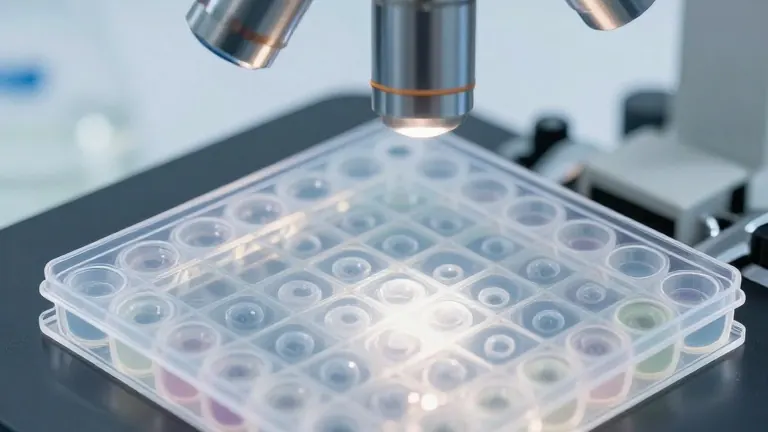
Coronavirus drugs often fail because the virus mutates quickly. A new study maps stable internal targets that may offer a more durable solution.
Joy Xiang of the University of California, Riverside, and Gene Yeo of UC San Diego identified specific sites where viral proteins interact with RNA in SARS-CoV-2. The team focused on the RNA-dependent RNA polymerase, or RdRp, and the nucleocapsid, or N, protein. Disrupting these interactions reduced viral replication in laboratory tests.
The research was published in Nature Communications under the title "Genome-scale eCLIP mapping of SARS-CoV-2 RNA Interactions with NSP8, NSP12, and N Reveals Regulatory Sites." The team used a technique called eCLIP to map interactions across the entire genome. This approach allowed them to find unexpected sites, including a previously unknown link between RdRp and the RNA encoding viral protein NSP3.
Another finding involved the N protein and the 5-prime untranslated region at the start of the viral genome. This region contains a conserved RNA structure that appears to regulate translation, the process of making proteins from viral RNA. Xiang noted that targeting essential machinery is critical because the virus cannot easily evolve away from these core components.
"If we target something essential that the virus depends on to function and can't easily change, the virus is less likely to evolve away from it, which would lead to drug resistance," Xiang said.
The researchers tested these sites using antisense oligonucleotides in Vero cells and human lung cells. Both cell types showed reduced viral replication when the interaction sites were blocked. Yeo added that viral RNA likely plays a larger role in regulating cellular processes than previously understood.
The work is still at an early stage. The experiments were conducted in cell cultures, and animal studies are needed to determine if these findings can translate into therapeutics. Funding came from startup funds, a UC Regents Faculty Fellowship, and a UCR School of Medicine Dean’s Collaborative Seed Grant. Xiang joined the UCR faculty in 2024, while Yeo’s group continues developing interaction technologies at UC San Diego.