Four simple materials to build a Peppa Pig toy at home
Household items like toilet paper tubes and felt can be transformed into durable toys for children, according to a new craft guide.
By Andrew Bennett ·
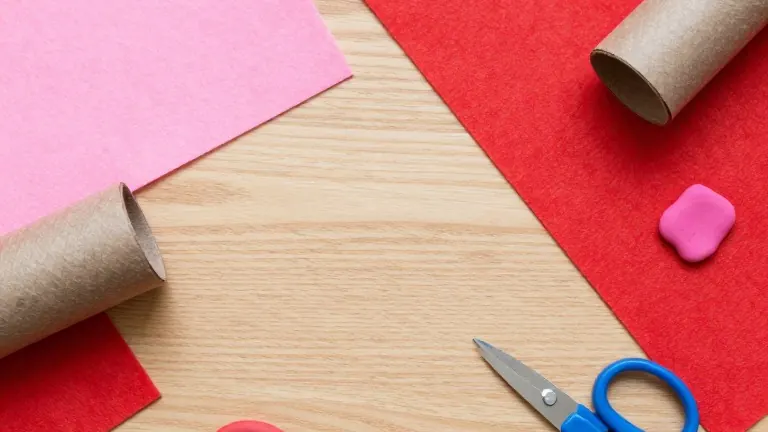
Parents and children can turn common household waste into functional toys by following four distinct craft methods for creating Peppa Pig figures. The project relies on inexpensive materials found in most homes, ranging from recycled cardboard to modeling clay and fabric.
The character Peppa Pig remains a favorite among young viewers due to the show's short episodes and simple narrative style. The series uses clear visual designs and repetitive dialogue to help preschoolers learn language while reflecting everyday childhood situations. This cultural popularity drives interest in handcrafted versions of the character for play and room decoration.
The first method involves recycling a toilet paper tube. The creator paints the bottom half of the tube red and the top half pink. A separate pink cardboard head is drawn, cut out, and glued to the top. Markers are used to add facial details and arms, creating a lightweight figure that introduces children to the concept of reusing materials.
For those preferring a three-dimensional object, modeling clay offers a soft, textured alternative. The process begins by shaping a pink sphere and stretching one end to form the snout. A red cone is created to represent the dress. These parts are pressed together, and small strips and circles are added to form the arms, eyes, and shoes.
A durable plush option uses felt or cloth. Two identical pieces are cut: one red for the body and one pink for the head. The edges are sewn or glued while leaving a small opening. Synthetic cotton is stuffed inside to provide volume before the opening is closed. Facial features are then attached to the front.
The final variation creates a flat figure using EVA foam. This material is chosen for its durability and clean finish, making it suitable for hanging on walls or attaching to notebooks. A template is used to cut the pink head and red dress separately. The pieces are overlapped and glued together. Permanent markers or acrylic paint define the smile and cheeks.
These four approaches allow for different levels of complexity and material costs. The recycled tube method uses the fewest new supplies, while the felt option requires sewing or strong adhesive. The foam version is designed for long-term use as a decorative item or educational tool.