San Diego Water Billing: Council Ends Tiered Rates After Legal Loss
A 2015 lawsuit forces the city to drop conservation incentives, raising monthly costs for low-use single-family homeowners by an average of $6.
By Andrew Bennett ·
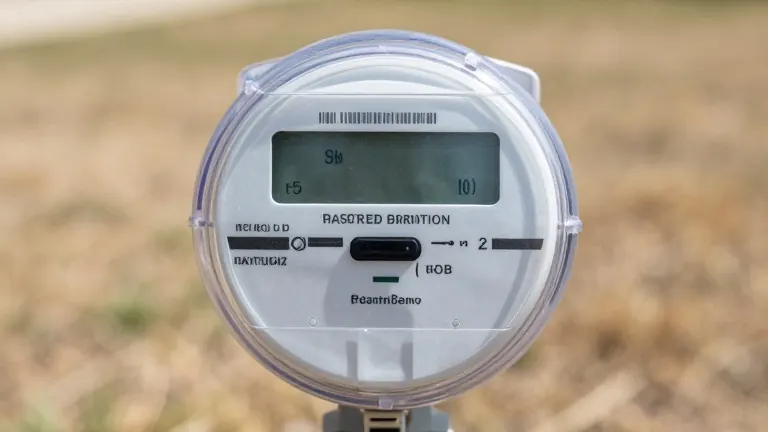
San Diego City Council members voted 6-2 on Tuesday to adopt a new water billing structure for single-family homes. The change eliminates the city's tiered pricing system, a move driven by a 2015 lawsuit that challenged the previous rate model. The new billing schedule takes effect in January, coinciding with a separate, previously approved water rate increase.
The shift reverses the financial incentive for conservation. Under the old system, customers who used less water through efficient landscaping or other measures paid lower rates per unit. Those with higher usage, such as residents with large yards or pools, paid more. The new structure charges customers solely based on the volume of water consumed, removing the tiered discounts. The city estimates that the average monthly bill for a low-use customer will rise by approximately $6. Conversely, high-use customers may see their bills drop by $20.
City staff presented the plan to the council, noting that the city disagrees with the court's interpretation but is legally obligated to comply. A staff member stated that the city is required to implement a structure the court deems valid. The underlying legal case, Daniel Patz et al. v. City of San Diego, was filed in 2015. San Diego attempted to contest the ruling in an appeals court but was unsuccessful. The city is now responsible for a $40 million settlement.
Councilmember Sean Elo-Rivera, representing District 9, voiced frustration during the vote. He described the change as a penalty for water conservation efforts. Elo-Rivera said the imposition feels like a punishment for doing more to save water. The decision has generated mixed reactions from residents in a region that frequently faces drought and water shortages.
Isabel Jordan, a resident, expressed initial support for a uniform rate but later recognized the purpose of the previous incentives. She noted that Southern California is in a constant state of water crisis and drought. Jordan explained that she initially thought everyone should pay the same rate before understanding the incentive to subsidize efficient consumers. City representatives acknowledged that even modest price increases can impact households that have actively reduced their water usage.
The new billing structure replaces the tiered model with a flat calculation based on usage volume. The changes apply specifically to single-family homes. The effective date of January aligns with the start of the broader rate increase approved earlier. The city will no longer offer lower per-unit prices for lower consumption levels.
More Business · Unethical Practices · Report a business · Got a Story?