Stripped bass population faces collapse by 2030 due to environmental failures
Eight consecutive years of poor reproduction in the Chesapeake Bay have decimated the species, threatening an $8 billion industry and tens of thousands of jobs.
By Andrew Bennett ·
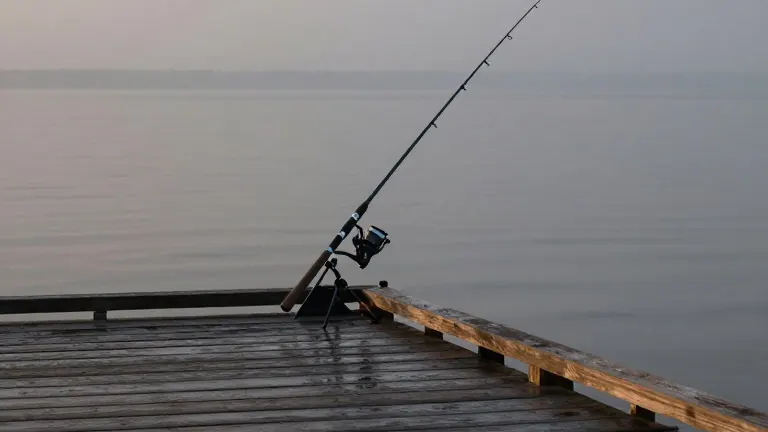
The iconic striped bass population is on the verge of collapse.
Regulators confirmed last week that the fish have suffered eight consecutive years of poor reproduction in the Chesapeake Bay, its most critical habitat. The Atlantic States Marine Fisheries Commission classifies the stock as overfished, even though current levels of harvesting do not meet the definition of active overfishing.
Scientists identify four major spawning stocks along the Atlantic coast. The Chesapeake Bay supports up to 90% of these populations. Reproduction relies on cool, wet springs. When freshwater flows drop or temperatures rise too quickly, year classes weaken. Chris Batsavage, chair of the commission's striped bass management board, noted that low precipitation and rapid warming have created a slump of bad years since 2019.
Patrick Paquette, government affairs coordinator for the Massachusetts Striped Bass Association, predicts a sharp decline. He stated that the population will drop off a cliff around 2029 or 2030. He described the future outlook as ugly without drastic intervention.
The economic impact is substantial. Industry members estimate the sector generates about $8 billion in annual economic impact in the U.S. The industry supports as many as 100,000 jobs. These positions include fishing guides, boat operators, gear suppliers, bait vendors, and hotel staff.
Bill Jakob, president of the Montauk Surfcasters Association, has fished off Montauk for more than 60 years. He recalled nights when he caught eight or nine fish weighing up to 40 pounds. Those runs have stopped. Jakob admitted that party boats once killed fish with reckless abandon. He now sees fewer young fish entering the population.
John Skinner, an angler and author who runs a YouTube channel with more than 100,000 followers, reported that once-reliable spots have dried up. He said that even in perfect conditions, he now catches absolutely nothing. Other fishermen across the Northeast report similar trends. They see smaller schools composed of older, larger fish. Few juveniles are present to replace them.
Factors beyond overfishing contribute to the decline. Warming waters, poor river flow, drought, and pollution are cited by experts. Some blame increased predation from seals and sharks. The resurgence of sharks, aided by conservation efforts, has reintroduced competition for the bass.
The commission regulates size limits, typically between 28 and 31 inches, which vary by state. Recreational fishing is the largest source of catch. Most recreational fish are released alive. Historically, regulators expected a 9% post-release mortality rate. Newer data suggests the number may be less than 5%.
Paquette urged anglers planning to retire to change their plans. He said that without a different strategy, the end of striped bass fishing is near. The commission continues to monitor the stock while fishermen await stricter rules or a potential moratorium.
More Business · Unethical Practices · Report a business · Got a Story?