Tanzania's second inquiry opens as families await answers on 518 election deaths
A year after the October 2025 unrest, a new commission is gathering evidence while relatives demand acknowledgment from a government that has not named any commanders responsible for the violence.
By Andrew Bennett ·
A new inquiry into Tanzania's post-election violence began collecting evidence in August 2026. The panel, chaired by retired Justice Shaban Ally Lila, is the second body appointed to examine the unrest that followed the disputed general election in October 2025. Its findings are currently pending as the country marks one year since the conflict began.
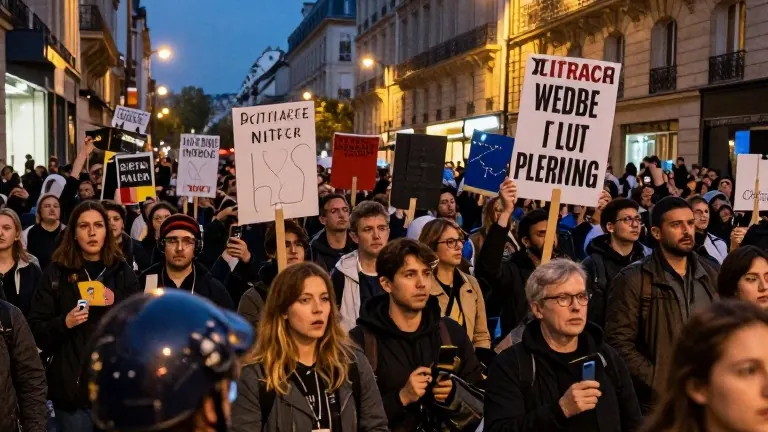
The violence erupted after President Samia Suluhu Hassan's administration barred the Tanzanian Party for Democracy and Progress from the vote. In April 2025, Chadema leader Tundu Lissu was arrested and charged with treason. Protesters took to the streets on election day and in the days that followed, demanding political reforms and the president's resignation. A government-appointed panel, the Chande Commission, later determined that at least 518 people died from unnatural causes, including many gunshot wounds. More than 2,000 people were injured.
Retired Chief Justice Mohamed Chande Othman, who led the first commission, stated the death toll could be higher. He noted that some families buried their relatives without visiting morgues or notifying the inquiry. Oryem Nyeko, senior Africa researcher for Human Rights Watch, agreed that the number is likely much higher than the 518 reported by the commission.
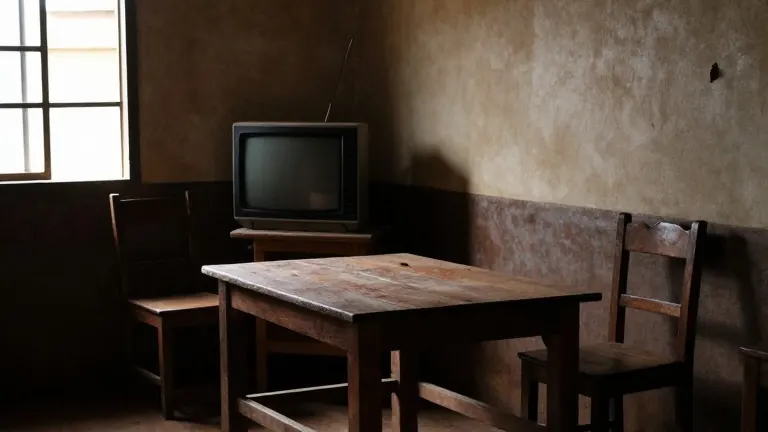
New evidence has emerged suggesting police acted beyond their training. An analysis of videos, interviews, and a leaked internal police report indicates that officers likely used force in ways that violated guidelines. Footage shows people in uniform beating civilians in Dar es Salaam and standing near bodies in Mwanza. One incident in Mwanza involved young men killed while watching television in a video hall. Police guidelines limit firearm use to absolute necessity, yet documents show protesters with head wounds and non-protesters shot during a curfew.
Nicodemus Minde, a security analyst, criticized the initial report for not identifying those in charge. He said the commission did not explain who was responsible or why the events occurred. The Ministry of Home Affairs declined to comment on the allegations, stating that a response might interfere with the legal process. Police had not issued a statement by the time of publication.
Families of the victims say the process has not restored their trust. In Mwanza, a woman identified as Raha said her nephew died during the protests. She believes justice starts with an apology. She said the government should have asked for forgiveness or at least offered condolences. Zuri, whose brother and son were killed, expressed frustration over the lack of contact from officials. She asked why the government has not visited the families to acknowledge the loss.
The Chande Commission recommended further investigation but did not name specific security bodies, officers, or commanders. The new inquiry under Justice Lila is now the primary mechanism for seeking those details. Until it releases its findings, families continue to wait for official recognition of the events that unfolded one year ago.