Voters Prioritize Cost of Living Over Policy
A new KFF poll shows 62% of Americans rank living costs as their top concern, prompting candidates to deploy specific slogans to address grocery and utility bills.
By Andrew Bennett ·
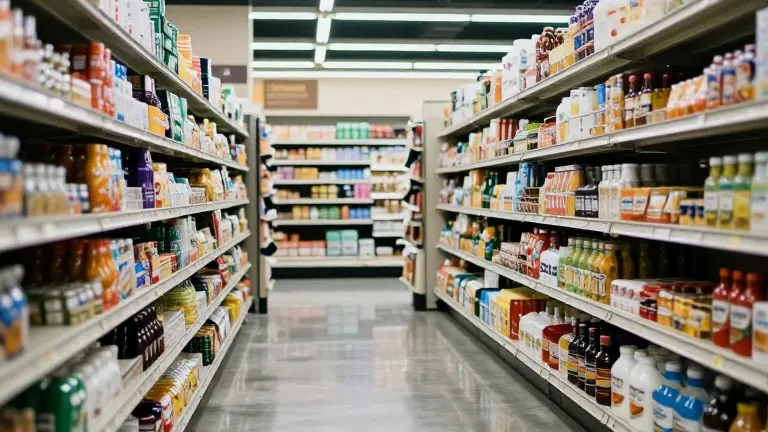
Affordability has become the central metric for the 2026 election cycle. A poll released this month by the health policy nonprofit KFF found that 62% of voters identify the cost of living as the most pressing issue they want candidates to address. Transportation and health care costs also ranked near the top of the list of concerns.
Candidates are translating this public frustration into distinct political platforms. They use the high cost of daily necessities to package specific policy proposals. The resulting campaigns feature slogans that promise direct relief for household budgets.
Roy Cooper, the Democratic candidate for the U.S. Senate in North Carolina, campaigns on the slogan 'Make stuff cost less.' He argues that tariffs and corporate influence are driving up prices for groceries and housing. His plan includes blocking anti-competitive mergers, banning algorithmic pricing, and capping out-of-pocket drug costs through Medicare negotiation.
Deb Haaland, running for governor of New Mexico, labels her platform an 'Affordability agenda.' She blames record corporate profits and tariffs for rising expenses. Haaland proposes raising the minimum wage with annual inflation adjustments and waiving permit fees for grocery stores in food deserts. She also seeks to ban AI-driven rent fixing to lower housing costs.
Republican Bruce Blakeman, the gubernatorial candidate in New York, runs under the banner 'Cut taxes, cut utility bills.' He attributes high costs to state energy policies and taxes. Blakeman proposes expanding domestic energy production and lifting the state ban on fracking. He claims he will cut utility bills in half, though he has not detailed the specific mechanism for that reduction.
In South Carolina, Democratic Senate candidate Annie Andrews uses the phrase 'Gas, grits and groceries.' She cites corrupt politicians and tariffs as drivers of rising food and energy costs. Andrews proposes suspending federal gas and diesel taxes and creating a federal apprenticeship program to expand the child care workforce.
James Talarico, the Democratic Senate candidate in Texas, calls to 'Unrig the economy.' He frames high costs as a corruption crisis driven by billionaire influence. His platform includes canceling medical debt, repealing tax breaks for the top 1%, and requiring data centers to pay for their own power infrastructure.
Ken Paxton, the Republican Senate candidate in Texas, runs on 'Protecting the Texas Promise.' He blames corporate price-gouging and government spending for inflation. Paxton proposes a $50,000 tax deduction for first-time homebuyers and a $5,000 deduction for healthy-lifestyle expenses. He also seeks to make Trump Accounts for children permanent.
Xavier Becerra, the Democratic candidate for governor of California, campaigns on the slogan 'Lower costs. raise stability. Put families first.' He argues that weak competition allows corporations to price-gouge. Becerra plans to freeze utility rates and home insurance premiums while declaring a housing state of emergency to speed up construction.
Voters can verify specific candidate positions through the U.S. Election Assistance Commission and the League of Women Voters' VOTE411 tool. These resources link directly to official state election offices and policy summaries.