White House asks Supreme Court to pause 20,000 California ballots before midterms
The administration argues the votes should be held until citizenship is verified, a move state officials call logistically impossible.
By Rosa Wojcik ·
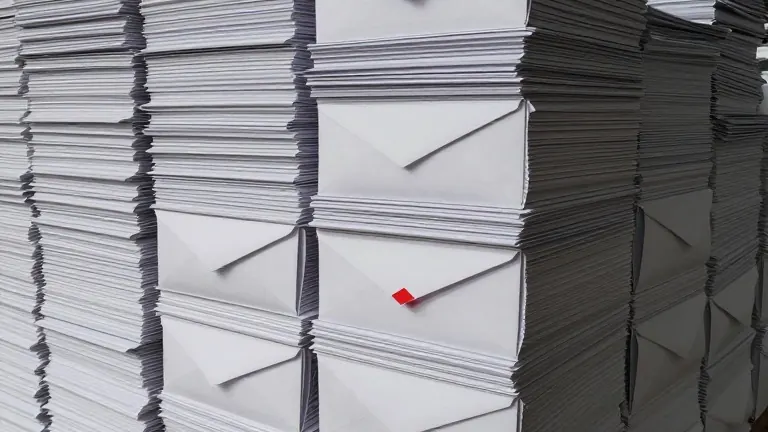
President Donald Trump’s administration filed an emergency petition with the Supreme Court on Monday to remove approximately 20,000 disputed mail ballots from California’s upcoming midterm count. The request aims to halt the inclusion of votes from voters the federal government believes may not be citizens, a decision that must be resolved before polls open on Tuesday.
The Justice Department seeks a limited injunction that would direct state officials to set aside the specific ballots while the legal dispute continues. Solicitor General D. John Sauer warned in the filing that the window to separate the votes is closing. He wrote, “Once California commingles the challenged ballots with lawful ones, there is no way to get the challenged ballots back.”
California election officials reject the premise that the list of flagged voters is reliable. They argue the federal list likely includes many valid U.S. citizens and that extracting the specific ballots now would be logistically impossible. The state has already processed hundreds of thousands of ballots since early October, when the mail-in voting period began for its roughly 23 million registered voters.
Lower courts have already ruled against the federal government’s efforts to isolate these votes. U.S. District Judge David O. Carter, who was nominated by former President Bill Clinton, denied the initial request. He warned that segregating the ballots would “wreak havoc” on the election and erode public trust in the democratic process.
Carter stated, “If the Executive can discount votes and threaten an ongoing election due to unproven allegations, then our democracy is in danger.” A split appeals court panel later upheld his order. Two judges, one appointed by Trump and one by former President Joe Biden, voted to keep the ballots in the count. A third judge, also appointed by Trump, dissented, arguing that California’s refusal to separate the votes encourages the violation of federal law.
The administration has prioritized identifying noncitizen voters this year, even though such cases are rare. The White House has secured several emergency appeals victories before the Supreme Court during this term. However, the justices previously turned down an earlier effort by the president to restrict mail ballots ahead of these midterms. The high court now faces the decision with the election less than 24 hours away.
The case involves a conflict over the definition of a lawful vote in a pivotal swing state. The federal government wants to ensure every counted voter is a citizen. California wants to count every mailed ballot to reflect the will of its residents. The outcome will determine if these 20,000 ballots are included in the final tally that will decide control of Congress.