49 California cannabis products tested for 376 pesticides
A two-year follow-up to the Dirty Weed series finds lower contamination levels than in 2024, though gaps in state regulations persist.
By Rosa Wojcik ·
Consumers of legal cannabis in California may face fewer chemical residues today than they did in 2024. The Los Angeles Times conducted a new round of private testing to determine if the products sold in the state's regulated market have improved. The results indicate a decline in pesticide levels, although contamination remains a concern for substances not yet covered by strict state testing protocols.
The investigation began two years after the publication of the original Dirty Weed series. That initial report prompted questions about the cleanliness of commercially available weed. To address this, the Times team purchased 49 inhalable products from licensed dispensaries and delivery services throughout California. The goal was to measure whether the legal market had tightened its quality control measures since the last major audit.
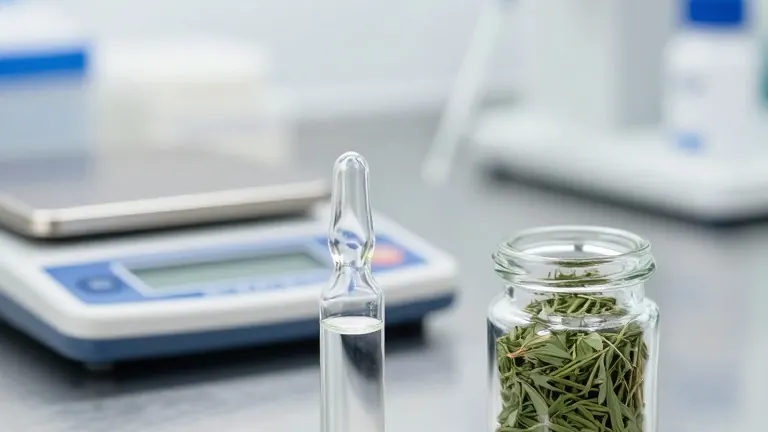
The testing process was designed to be blind. Labels on the purchased products were obscured before they reached the laboratories. This ensured that the three state-licensed facilities did not know which brands they were analyzing. The labs used were Anresco Laboratories, Infinite Chemical Analysis Labs, and Excelbis Labs. Each facility screened the samples for the 66 pesticides monitored by the state. Two of the labs also performed expanded screening, bringing the total number of pesticides checked to 376.
The sample set was primarily California legal weed, but the purchase process yielded a few outliers. One delivery service provided vapes packaged for sale in New York. Other services included unlabeled pre-rolls as freebies with the main orders. A single sample was picked up in Reno. These exceptions are noted in the final results tables. The variety of sources highlights the inconsistent nature of the retail and delivery experience for consumers.
Regulatory shifts complicated the analysis. California changed the permitted limits for some pesticides while the reporting was underway. This means some products that exceeded state limits at the time of purchase are now considered in compliance. Conversely, state limits for other pesticides will not take effect until April 2028. The Times used these anticipated future limits to evaluate the current products.
For pesticides with no existing state limit, the Times applied the U.S. Environmental Protection Agency’s standards for pesticide residue safety testing on tobacco. This provided a baseline for evaluation where local regulations were silent. The database of results allows readers to search for specific brands, including Stiiizy, West Coast Cure, and Cam. Items listed more than once were tested multiple times or by different labs.
The data shows that while the trend is toward lower levels of pesticides, the legal market is not yet spotless. Mislabeling and unmarked products still appear in licensed delivery services. The findings rely on private lab tests commissioned by the Times, offering a snapshot of the current chemical profile of California's cannabis market.
More Business · Unethical Practices · Report a business · Got a Story?