Arizona caps local grocery taxes at 2 percent
Voters approved a statewide limit on municipal food taxes, forcing cities to keep rates low or ask residents for permission to raise them.
By Ethan Cook ·
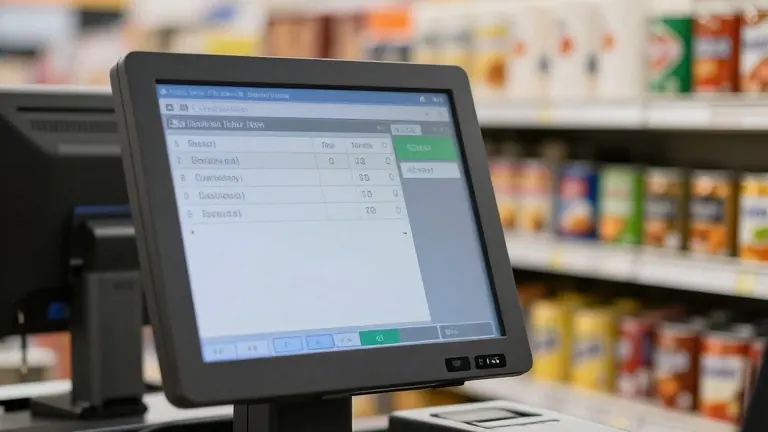
Arizona shoppers will face lower local food costs starting now that voters have approved Proposition 316. The measure restricts how much cities and towns can charge on groceries. More than 61 percent of voters supported the proposal as of Wednesday.
The new law sets a hard ceiling on local grocery taxes. Municipalities cannot charge more than 2 percent on food purchases. Cities currently charging that amount or less can keep their rates. Towns charging more than 2 percent must lower their rates to meet the cap. If a city wants to increase its grocery tax in the future, it must win approval from local voters first.
Local governments retain the revenue they currently collect from these taxes. This protects existing budgets for public services from immediate cuts. Phoenix, the state's largest city, does not currently levy a food tax. Other major municipalities across the state do.
City leaders expressed concern about losing control over local revenue. Phoenix Vice Mayor Debra Stark argued that different communities have different needs. "When the states decide they know what’s best for local government, and every community is different," Stark said. "Clearly Phoenix is different than Cave Creek and Carefree, and we all have different wants and needs. I think it’s harmful when the legislature says, ‘We’re going to do this, and it’s going to solve all the problems.’ Really, you need to look at each community and see what they value and what their goals are."
Advocacy groups warned that the cap could limit city budgets. Cathy Sigmon, co-founder of Civic Engagement Beyond Voting, said the measure would handcuff local governments. "We are very disappointed in the passage of Prop 316, which will handcuff cities and towns as they seek to provide the services that everyday Arizonans expect and need," Sigmon said. She predicted that cuts to libraries, firefighters, and road maintenance may follow. Alternatively, cities might raise other taxes to fill the gap.
The League of Arizona Cities and Towns took a neutral position on the ballot question. Legislative director Jacob Emnett said the proposal offered a balanced approach. "Proposition 316 offered a balanced approach to the question of affordability, giving voters a say in how their city or town will fund the services they’ve come to expect," Emnett said. He noted that the measure allows municipalities to keep current revenue while subjecting future increases to voter approval.