Coordinated fake bomb threats disrupt European flights as Russia suspicion grows
Investigators are examining an email from a banned Russian ultra-right group after fighter jets escorted a plane in Italy.
By Ethan Cook ·
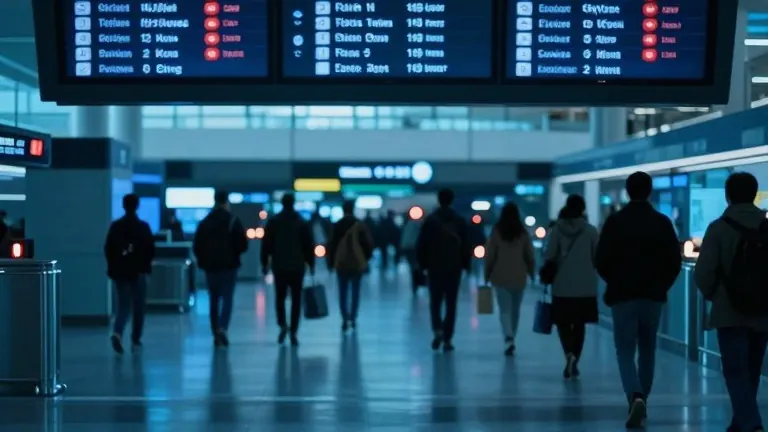
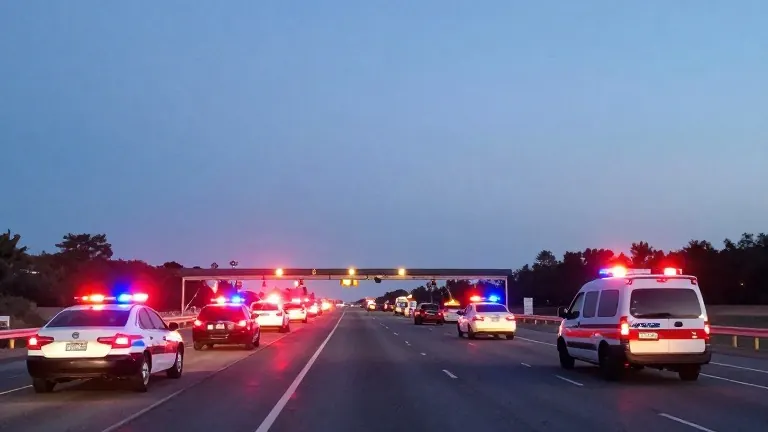
A series of coordinated false bomb threats has disrupted air travel across multiple European countries this week. Authorities diverted aircraft in response to nearly every warning, with one exception at London's Heathrow airport. In Italy, the situation escalated when fighter jets were scrambled to escort a plane. While all specific incidents proved to be hoaxes, the pattern has increased anxiety that future threats may be genuine.
Observers suspect Russia due to the coordinated nature of the disruptions. This suspicion follows earlier incidents this year, including cyber-attacks and drone sightings over sensitive locations. Recent reports also cited remote hacking of supermarket freezers and a blood bank, as well as a suspicious incident on the Poland-Russia border. In August, a drone attack on Germany's Leipzig Halle airport further intensified tensions. Germany's interior minister publicly attributed that specific incident to Moscow.
Analysts describe the actions as hybrid or grey zone warfare. These tactics aim to damage infrastructure while remaining anonymous and deniable. By staying below the threshold that triggers Article 5 of the North Atlantic Treaty Organization, these actions prevent a full-scale military response. Moscow is currently frustrated with NATO's continued support for Ukraine, viewing it as an obstacle to regional dominance. Russian bloggers have amplified this sentiment, suggesting a logic of reciprocal pain. They argue that if Ukrainian drones make Russian airports feel unsafe, Western nations should expect similar disruptions to their own networks.
Hard proof linking the recent airline hoaxes directly to Russia, Iran, or proxy groups has not yet surfaced as of Thursday evening. Investigators are examining various leads to determine the precise origin and motivation. One specific clue is an email threat sent to airport authorities in Rome on Thursday morning. The message purported to be from a group called the Fighters of the Male State. This name likely refers to the Russian ultra-right group Muzhskoi Legion, also known as the Male Legion.
The Male Legion held extreme views, leading a Moscow court to ban it in 2021. The group retained tens of thousands of followers on Telegram, who celebrated Russia's full-scale invasion of Ukraine the following year. However, the authenticity of the Rome email remains uncertain. It is possible that another entity is hiding behind the name of the Male Legion. Experts note that even if the email is genuine, it may not provide the concrete leads needed by police and airport authorities to identify the masterminds.
National police forces, transport ministries, and airport operators are prioritizing the mitigation of future disruptions. Officials emphasize the need to follow cold, hard evidence rather than relying on assumptions about likely culprits. The focus remains on finding definitive proof to confirm or dispel the theory of Russian involvement while ensuring safety protocols remain robust against both false alarms and real threats.