Democrats Seize Congress as Iran Marks 47th Anniversary of Embassy Seizure
Tehran officials declared a victory after U.S. voters rejected President Trump's war strategy, even as strikes near the Strait of Hormuz renewed fears of renewed combat.
By Ethan Cook ·

The war in Iran entered a new diplomatic phase on Wednesday as Iranian officials celebrated the U.S. midterm election results while military tensions remained high around the Strait of Hormuz.
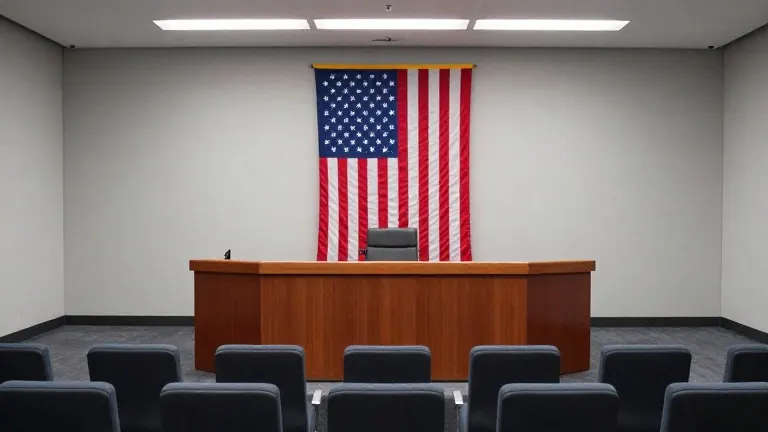
The core conflict centers on whether the shift in power in Washington will change American policy. Democrats won control of both chambers of Congress on Tuesday, a result driven largely by voter frustration over rising fuel and food prices linked to the ongoing war.
Iranian leadership offered mixed signals regarding the outcome. Ayatollah Mojtaba Khamenei, who has not appeared in public since the war began in late February, issued a warning on social media. He stated that anyone hoping for a change in U.S. behavior due to partisan shifts is gravely mistaken. He added that giving concessions to America would not dissuade it from its hostility toward the Iranian nation.
Other officials took a more celebratory tone. Mohammad Bagher Qalibaf, Iran's parliament speaker and chief negotiator, posted on X that Americans said no to war. He warned that if the U.S. government betrays its public will to serve international interests, it will face consequences. The Foreign Ministry spokesperson echoed this sentiment, noting that the U.S. sent a clear message and warned that ignoring it would have grave repercussions.
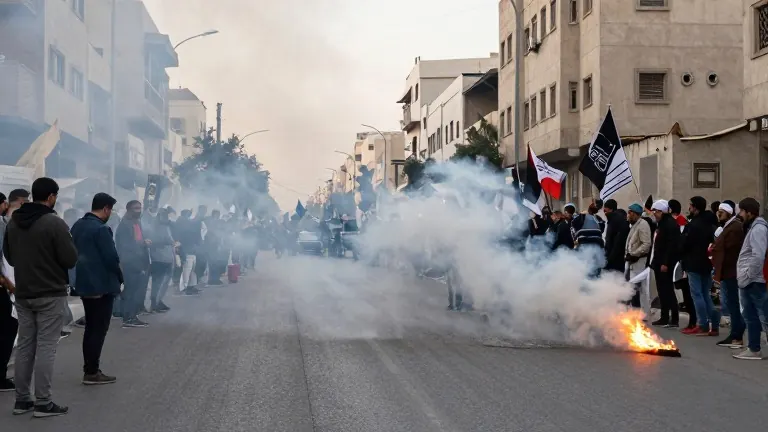
On the ground in Tehran, thousands marched to mark the 47th anniversary of the 1979 seizure of the U.S. Embassy. Demonstrators burned flags of the United States and Israel and chanted slogans against both nations. They displayed effigies of President Donald Trump and Israeli Prime Minister Benjamin Netanyahu. Hananeh Jahed, a participant in the march, said Trump's defeat was due to him going too far in everything. Another protester, Zahra Nadiminejad, claimed U.S. voters realized they could not dominate Iran and felt the economic pain at home.
Tehran Mayor Alireza Zakani addressed the crowd, claiming the United States and Israel had suffered a massive defeat. He attributed this failure to the steadfastness of the Iranian people and noted that even U.S. political rivals acknowledged the impact of Iranian perseverance. Gholam Hossein Mohseni Ejehi, the head of Iran's hard-line judiciary, posted that Trump failed in both war and politics and that further defeats were certain.
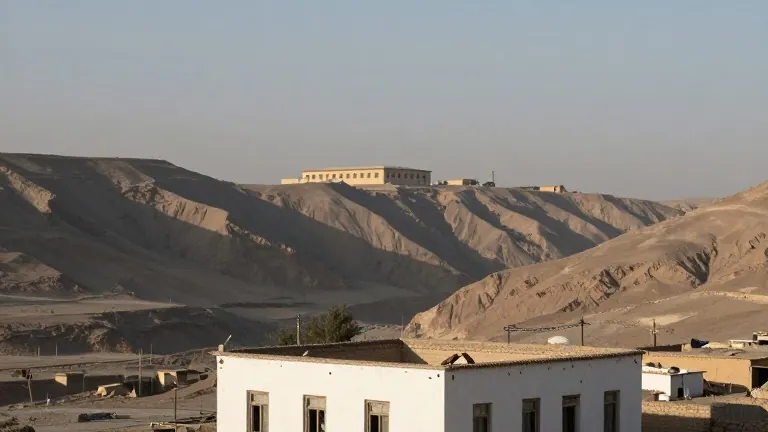
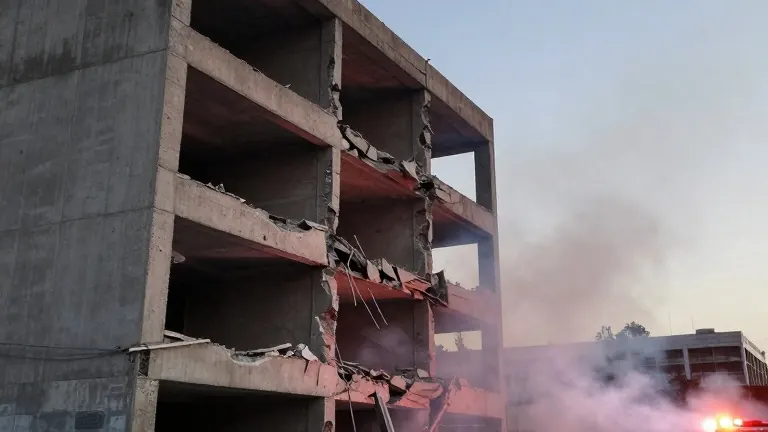
The election results arrived one day after limited strikes hit Iranian targets in the Strait of Hormuz. Iranian state media reported explosions on Qeshm and Hengam islands and near the port city of Bandar Abbas on Monday. Authorities have not disclosed the specific sites or the extent of the damage. The strait, which carries about a fifth of the world's oil supply, has seen repeated incidents involving commercial shipping.
Negotiations continue as back-channels remain open. U.S. Vice President JD Vance said on Monday that he and President Trump feel positive about the prospects for a negotiated settlement. This statement came before news of the latest strikes emerged. Thousands of U.S. troops remain in waters off Iran to enforce a naval blockade, and additional military assets are en route to the region.
The war, launched by the United States and Israel on Feb. 28, killed longtime supreme leader Ayatollah Ali Khamenei and disrupted global energy markets. The conflict has devastated the Iranian economy and rattled the global financial system. Israel and some Middle Eastern allies continue to lobby Washington, with Netanyahu reportedly pushing for more strikes while Trump alternates between threats and deal-making.