Lula Regains Lead in Brazil Runoff as Voting Extension Dispute Intensifies
President Lula da Silva moved ahead of Senator Flávio Bolsonaro after a last-minute court order extended voting hours, a move critics say complicates the final count.
By Rosa Wojcik ·
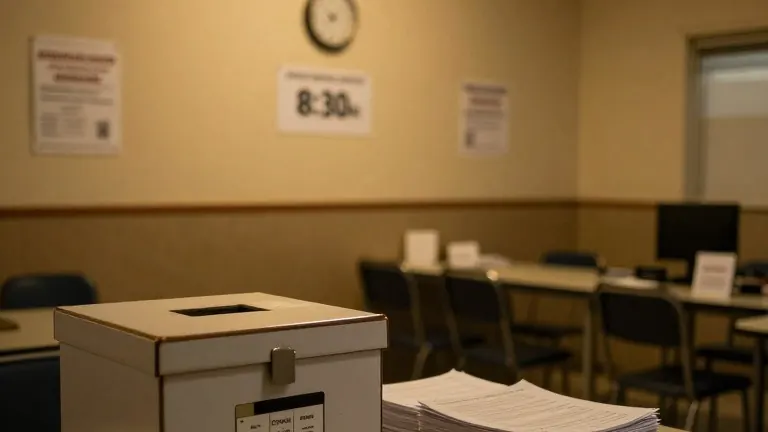
Brazilian President Luiz Inácio Lula da Silva reclaimed the lead in Sunday's presidential runoff against Senator Flávio Bolsonaro. With roughly half of the ballots counted, Lula was ahead as results from his northeastern base arrived in volume. The shift occurred after a federal court ordered a temporary extension of voting hours in several states, a decision that sparked immediate controversy.
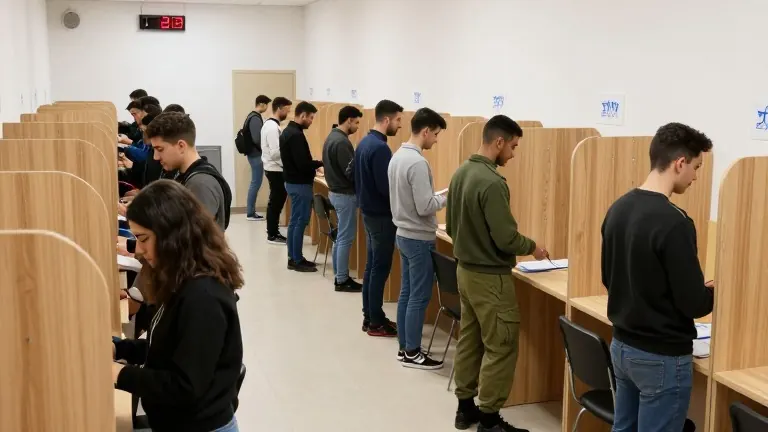
The recount followed a ruling by Supreme Court Justice Cristiano Zanin, who is currently serving on the bench but previously represented Lula. Lula's campaign requested the extension, citing public transportation disruptions in three cities in Bahia. The order arrived near the 5 p.m. closing time, causing confusion at polling stations that had already shut down. Zanin later clarified that closed stations would remain closed, while open stations could receive voters for two additional hours. This ruling forced the electoral court to pause the official count for two hours.
The voting pattern mirrored trends seen in previous Brazilian elections. Conservative candidates typically perform well early in the count, while leftist candidates gain support as results from poorer, more populous northeastern states come in later. Lula initially fell behind Bolsonaro but regained the lead by 8:30 p.m. Brasília time. Pollsters attributed the final swing to higher-than-expected turnout, which they said benefited Lula. Andrei Roman, CEO of AtlasIntel, stated that Lula would be re-elected, though the electoral court had not yet declared a formal winner.
The extension decision has raised legal questions about the integrity of the process. Two legal experts told Reuters that the longer voting hours and the transportation allegations could lead to legal challenges. Vera Chemim, a constitutional lawyer in São Paulo, noted that the losing side might argue that many voters were unable to cast ballots even with the extended deadline. Eduardo Bolsonaro, the brother of Flávio Bolsonaro, questioned the Supreme Court's involvement in a matter typically overseen by the electoral court. He said the move did not inspire credibility.
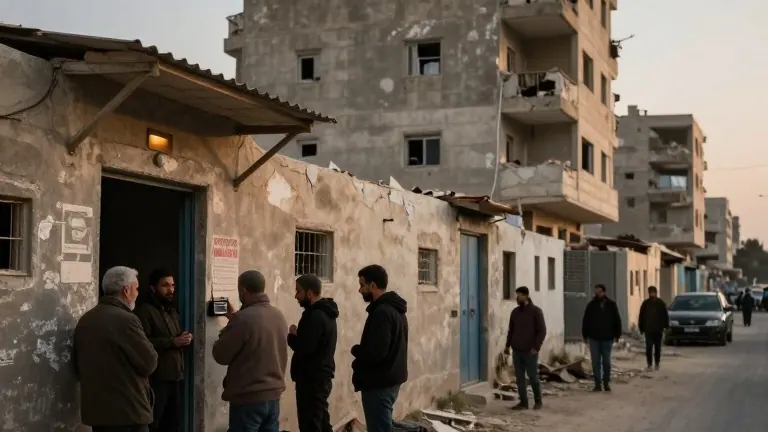
The dispute adds tension to an election already shadowed by the 2022 aftermath, when Jair Bolsonaro refused to concede defeat and later received a 27-year prison sentence for plotting a coup. Lula had requested extensions in at least nine states, claiming officials cut election-day public transport. A court in Bahia ordered the arrest of a senior transportation official in Salvador over allegations that he reduced the city's bus fleet. Flávio Bolsonaro also sought an extension in at least three states, citing bad weather conditions.
The race has drawn international attention, with Lula's allies viewing the runoff as a chance to halt a conservative shift in Latin America. President Donald Trump, who has not endorsed a candidate, told reporters in Washington that the United States is watching the election closely.