Saudi, Turkish, and Pakistani Leaders Head to Tehran for Alliance Talks
Delegations from the three Mecca Pact signatories will meet with Iranian security chiefs in Tehran on Monday, marking the first joint session since Houthi strikes intensified.
By Rosa Wojcik ·
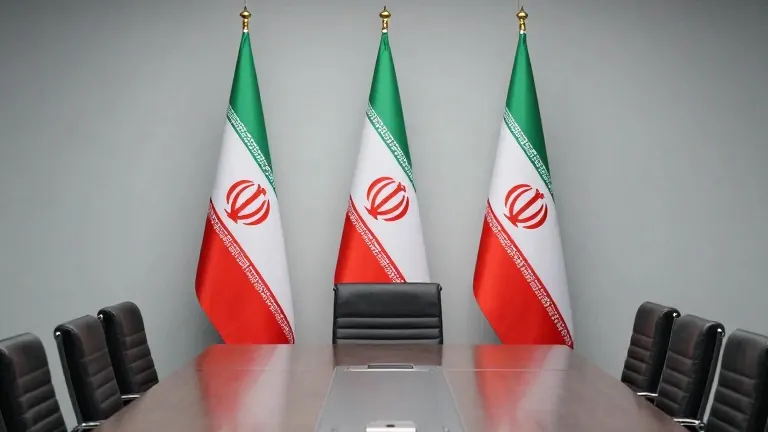
Saudi Arabia, Turkiye, and Pakistan will send their top security figures to Tehran on Monday for a joint meeting with Iranian officials. The gathering represents the first high-level contact between Iran and all three members of the Mecca Defence Alliance since Yemen’s Houthi forces escalated attacks against Saudi Arabia last month.
According to Ali Bagheri Kani, deputy secretary of Iran’s Supreme National Security Council, the Iranian side will be led by Mohsen Rezaei. Bagheri Kani stated that the participating countries could take an effective step toward establishing regional security based on actors within the region.
The Saudi delegation will include Defence Minister Khalid bin Salman Al Saud. The Pakistani contingent is headed by military chief Asim Munir, who visited Tehran last week to meet President Masoud Pezeshkian. The Turkish delegation will be led by intelligence chief Ibrahim Kalin.
Rayed Krimly, the Saudi deputy minister for public diplomacy, confirmed the visit. He described the trip as part of continued efforts by the alliance for de-escalation and to promote dialogue. Krimly noted that the visit reinforces the role of the Mecca Joint Defence Agreement countries in supporting the region’s stability.
The alliance was formed in August when Turkiye, Pakistan, and Saudi Arabia signed the Mecca Joint Defence Agreement. The pact states that an armed attack on one member is considered an attack on all. The first article of the agreement requires parties to use all necessary means to eliminate threats to one another’s territorial integrity and sovereignty.
Political ratification processes are currently underway. Pakistan approved the pact last week. Turkiye’s parliament began ratification efforts last week, and those proceedings are still in motion. Saudi Arabia continues to intercept waves of missiles and drones from the Houthis as fighting persists.
Pakistan has acted as a key intermediary between Washington and Tehran since the US and Israel launched their war against Iran in February. Earlier mediation efforts produced an interim agreement in June, but that deal collapsed as fighting resumed weeks later.