Schools serve invasive fish
Maryland school districts are adding blue catfish to lunches to help reduce the population of the Chesapeake Bay's fast-growing predator.
By Rosa Wojcik ·
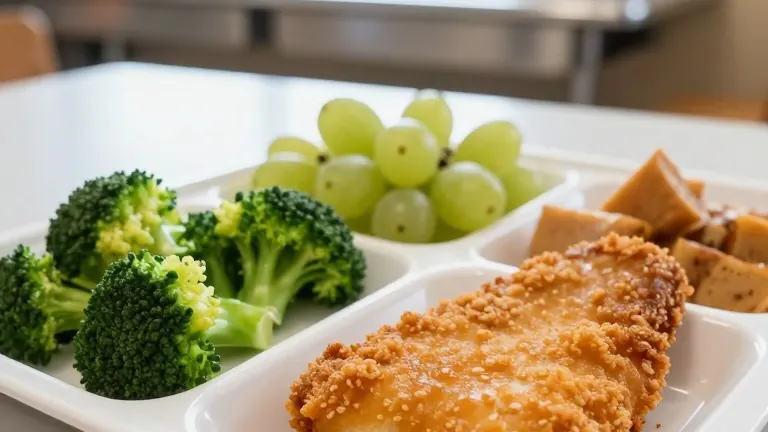
Maryland schoolchildren are eating an invasive species for lunch in an effort to reduce its numbers in the Chesapeake Bay. The dish, a crabcake-style product called a catty patty, is made with blue catfish. It is served alongside standard items like grapes and broccoli in Caroline County.
Beth Brewster, who oversees food services for Caroline County Public Schools, began the program after state officials approached her about eight years ago. Karen Fedor, an administrator at the Maryland Department of Agriculture, said officials needed a way to handle the invasive species because it tastes good. Brewster worked with chefs to create a recipe that meets federal dietary standards. The team received USDA approval, allowing the product to be served in schools across the country.
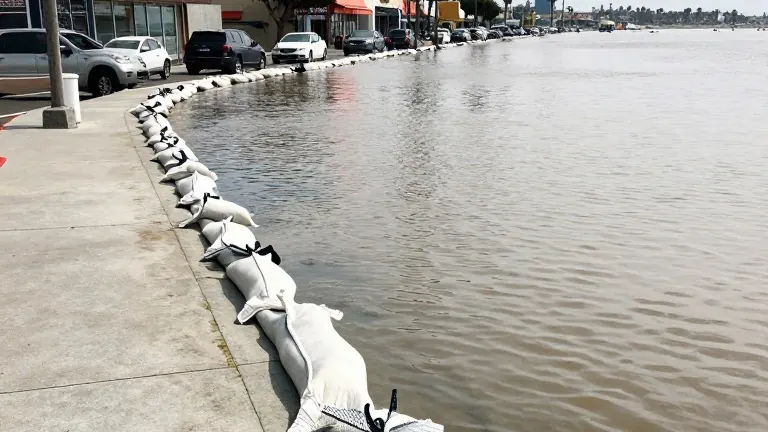
The blue catfish was originally introduced to Virginia rivers in the 1970s for recreational fishing. Branson Williams, manager of the Invasive Fishes Program for the Maryland Department of Natural Resources, noted that the fish were expected to stay in freshwater. However, they adapted to brackish water and spread. In 2018, heavy rainfall helped the fish move into new habitats. They now live in every tidal tributary of Maryland and the main bay. In some areas, they make up 70% of the total fish weight.
The fish reproduce quickly and eat native species such as crabs and menhaden. This threatens the local seafood industry. To control the population, Maryland is using human consumption as a tool. Other states, including Kentucky, Illinois, Maine, and Washington, are using similar methods to manage invasive species like Asian carp and green crabs.
Rocky Rice, a fourth-generation waterman, now fishes for blue catfish as his primary job. He started 14 years ago to stay busy between crabbing seasons. He hauls about 1,000 pounds of fish per trip, which is less than his preferred average of 1,200 to 1,500 pounds. Because the fish are invasive, there are no season or size limits. Rice can catch as many as he wants and does not have to release the small ones.
Processing the fish presents a logistical challenge. Blue catfish is the only U.S. fish required to undergo USDA inspection. Only four processors in Maryland can handle this requirement. Despite this, the fish is moving into grocery stores, restaurants, and schools. Jenn Lovewell, chief nutrition officer for Real Good Fish, said the company shipped a pallet of the fish to a Texas university recently. She and Brewster say millions of pounds must be harvested to keep the population stable.
More Business · Unethical Practices · Report a business · Got a Story?