Average new car price tops $51,000 as loans stretch past seven years
High interest rates and a shift toward larger vehicles push borrowing costs up, leaving first-time buyers with fewer affordable options.
By Rosa Wojcik ·
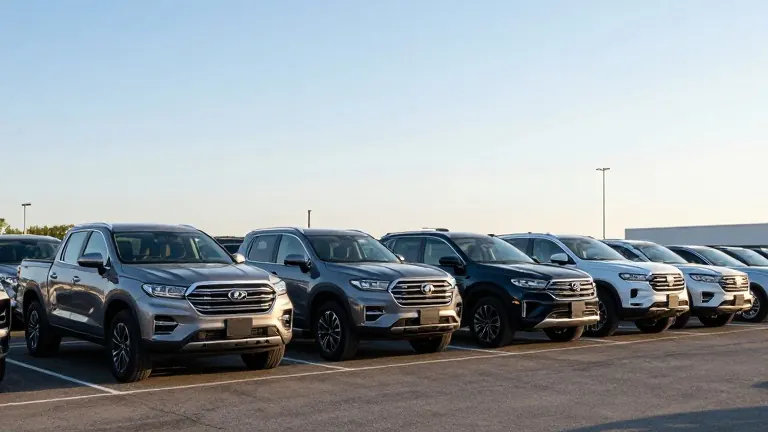
The average transaction cost for a new vehicle in the United States reached a record $51,109 in November 2026. This figure, reported by Kelley Blue Book, represents an increase of approximately $500 over the previous record set in December 2025. While the price is at an all-time high, the annual rate of increase has slowed. Year-over-year prices rose by 2.1%, a pace that Erin Keating, an executive analyst at Cox Automotive, notes is below the current rate of inflation.
The transaction cost includes the final amount paid by buyers, accounting for sticker prices, optional add-ons, and dealer incentives. It does not include financing costs. Interest rates for auto loans remain elevated following years of high Federal Reserve rates. According to Edmunds, a car analytics firm, average interest rates are currently over 7% for new vehicles and about 11% for used ones. Keating stated that the proportion of monthly payments going toward interest rather than principal has shifted significantly.
Used vehicle prices have also risen, though they remain lower than new car prices. The average used car now costs close to $27,000, which is 6% higher than the price last year. Ivan Drury, director of industry insights at Edmunds, noted that vehicles below this price point represent a small fraction of the market. Drury attributed the high prices partly to supply chain disruptions during the pandemic, which limited the number of vehicles entering the used market. This reduced inventory has helped existing car owners maintain their trade-in values but creates a high barrier for first-time buyers who have no vehicle to trade in.
Buyers are increasingly relying on long-term financing to manage monthly payments. Data from Edmunds shows that the average auto loan in the past quarter was $44,664. More than a quarter of buyers chose loan terms of 84 months or longer. Drury observed that consumers often opt for lower down payments, sometimes between $500 and $1,000, to free up cash for other bills. This approach extends the period of interest payments and increases the total cost of the vehicle.
Several factors drive the high price of new vehicles. Manufacturing costs have increased due to tariffs on steel, aluminum, and goods imported from Canada. The cost of computer chips and copper has also risen due to demand from data centers. Additionally, American consumers prefer larger vehicles such as SUVs and pickup trucks. The average sticker price for a full-size pickup truck is nearly $72,000. Automakers have shifted production away from compact sedans, which offer lower profit margins, toward these larger, higher-margin models.
Consumers also expect more standard features. Drury noted that buyers have grown accustomed to amenities such as 360-degree cameras, heated seats, and parking assist systems. Most buyers now select mid-to-upper trim levels rather than entry-level models. Mike Wall, an analyst at Mobility Global, pointed out that smaller vehicles often serve as loss leaders to attract customers, but carmakers profit more from larger vehicles with pricier features.
The market for new cars is shrinking. Approximately 16 million people buy new cars annually, a figure that is about 1 million lower than pre-pandemic levels. Keating observed that fewer people in their late 30s and early 40s are purchasing new vehicles, choosing instead to keep their current cars longer. This demographic shift means that the majority of new car buyers are older and wealthier. Keating noted that more individuals aged 65 and up are purchasing vehicles, potentially because they are keeping their driver's licenses for longer periods.
Automakers face stiff competition for a limited pool of buyers. Keating described the market as a pie that is not growing, forcing manufacturers to steal market share from one another rather than relying on new consumers. Electric vehicles still account for a small portion of sales, with Edmunds reporting that about 6% of new cars sold are electric. Companies continue to invest in EV technology while managing rising production costs and a challenging sales environment.
More Business · Unethical Practices · Report a business · Got a Story?