City housing initiative falls short of annual target despite new incentives
A university study finds that while the voluntary program has delivered 224 affordable units since 2019, rising costs and permit delays keep it below its goal of 500 completions per year.
By Ethan Cook ·
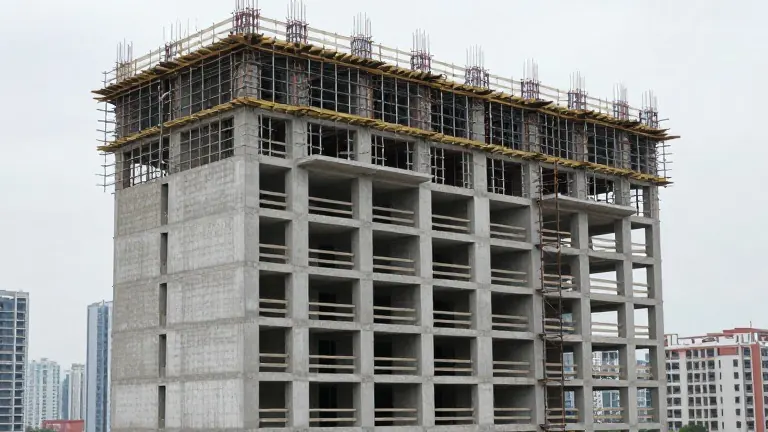
The City of Honolulu’s voluntary housing program has completed 224 affordable homes since its inception in 2019, a figure that falls well below the intended pace of 500 units annually. A new report from the University of Hawaiʻi’s Economic Research Organization (UHERO) details the specific hurdles facing the initiative, known as Bill 7, while noting that the program remains a functional tool for developers.
The legislation allows builders to commit to keeping a designated number of units affordable for 15 years. In return, participants receive a package of financial and regulatory perks. These incentives include density bonuses, waivers for off-street parking requirements, and exemptions from various fees. Property tax waivers are also available if the project meets a lower affordability threshold.
The timeline for the program’s performance shows a gap between policy design and market reality. Although the goal was 500 completions per year, the annual output has not consistently reached that mark. UHERO analysts noted that the pace came close to the target in 2023. Since 2019, the development environment has shifted, with rising construction costs, high interest rates, and permit delays creating a more difficult landscape for builders.
Trey Gordner of UHERO stated that it is not fair to attribute the shortfall entirely to the program itself. He explained that the development conditions have changed significantly since the policy began. The organization built a housing policy simulator to test these variables. Their analysis indicates that Bill 7 makes projects financially viable on thousands of parcels where standard zoning would not support development at comparable rent levels.
The city’s Department of Planning and Permitting responded by stating that they commissioned the study to identify ways to make affordable housing programs more effective. The department said the report confirms that Bill 7 accomplishes its design purpose by making development more financially feasible. City officials acknowledged areas for improvement while pointing to the program’s growing success.
UHERO proposed several methods to sustain the initiative long-term. Gordner suggested allowing for more homes in projects, redesigning the grant structure, and accelerating the permit process further. The city plans to utilize the housing policy simulator to explore these data points.
The current framework for Bill 7 is scheduled to expire in 2030.
More Business · Unethical Practices · Report a business · Got a Story?