Hearten House halts intake after Salt Lake City housing dispute
A mental health clinic at the historic Oquirrh School paused its intensive outpatient program following a disagreement with its landlord over shared space and construction plans.
By Andrew Bennett ·
Approximately a dozen patients seeking mental health treatment have been placed on a waitlist or turned away since Hearten House suspended its intensive outpatient program in Salt Lake City. The clinic, founded by Aimee Hadfield, uses art and movement therapy to help individuals process trauma. The pause stems from a dispute with the Housing Authority of Salt Lake City, which leases the third floor of the building to the practice.
Hearten House moved into the historic Oquirrh School at 350 S. 400 East earlier this year. Hadfield chose the location because the larger space allowed the clinic to run more services at once. The sublease agreement includes a clause stating that one room is shared and that the Housing Authority retains the right to use it for board meetings. Hadfield said she understood this arrangement but was not informed about plans to remodel the space.
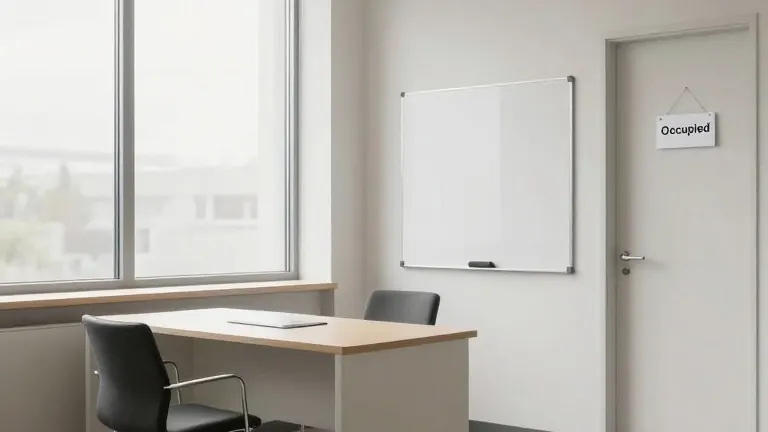
On Sept. 22, two contractors entered the therapy room while Hadfield was inside preparing to record a course. The door was marked occupied. Hadfield said the contractors informed her they intended to gut the room and build a kitchen for the authority. She stated she had no prior notice of this work. The sublease allows the Housing Authority to enter with reasonable notice, unless there is an emergency.
A week after the first incident, a contractor returned while Hadfield was preparing a client for a trauma session. She contacted the authority regarding these interruptions and requested a scope and timeline for the proposed construction. In an email dated Oct. 21, Hadfield told the Housing Authority that the clinic had paused admissions for one month due to the lack of clear answers. The clinic’s program typically lasts eight to 16 weeks.
Executive director Daniel Nackerman replied to Hadfield that evening. He described the remodeling as nothing major and said it would be scheduled carefully toward the end of the process. He did not provide a specific date for the work. Nackerman also proposed a lease addendum to outline a scheduling system for the shared room. Hadfield said the continued uncertainty forced her to stop admitting new patients.
Hadfield argued that accepting new clients without a clear plan would violate the promises of confidentiality, safety, and continuity made to patients. Clients already in the program were allowed to finish their treatment. Syd Sneddon, the director of programming and experiences at Hearten House, estimated that about 12 people were affected by the pause. Some of these individuals were transitioning from inpatient care and required additional support.
Nackerman characterized the situation as a minor lease dispute. He stated that Hearten House had agreed to share the room and was currently refusing to honor that lease provision. The Housing Authority did not respond to follow-up questions regarding the contractors or the specific timeline for the construction work. Hadfield said no remodeling had occurred as of the date of the dispute.
The clinic remains open for existing patients but has stopped accepting new ones for the intensive outpatient track. Hadfield is waiting for a defined construction plan and timeline before deciding the next steps for the practice. The dispute began after local news reported on issues at senior housing properties managed by the Housing Authority. Hadfield contacted the media after seeing those reports.
The shared room in question is located on the third floor of the Oquirrh School. The written agreement gives the Housing Authority the right to use the space for board meetings. Hadfield said she was comfortable with the room being used for meetings but objected to the unannounced entry of contractors and the lack of information about the kitchen remodel. The clinic relies on a stable environment to support patients through their eight to 16 week treatment periods.
Nackerman’s email suggested a scheduling system to resolve the conflict. He described the remodeling as a minor task. Hadfield countered that the uncertainty made it unsafe to promise clients a consistent treatment experience. The two parties have not reached a resolution regarding the specific date of the construction or the exact scope of the work. The clinic continues to operate for current clients while new admissions are on hold.
More Business · Unethical Practices · Report a business · Got a Story?