Breaking: Anthropic IPO Looms As Chinese Open Source Models Flood The Market
The race for public equity is colliding with a surge in free, high-performance AI models from China and a fragmented developer ecosystem.
By Rosa Wojcik ·
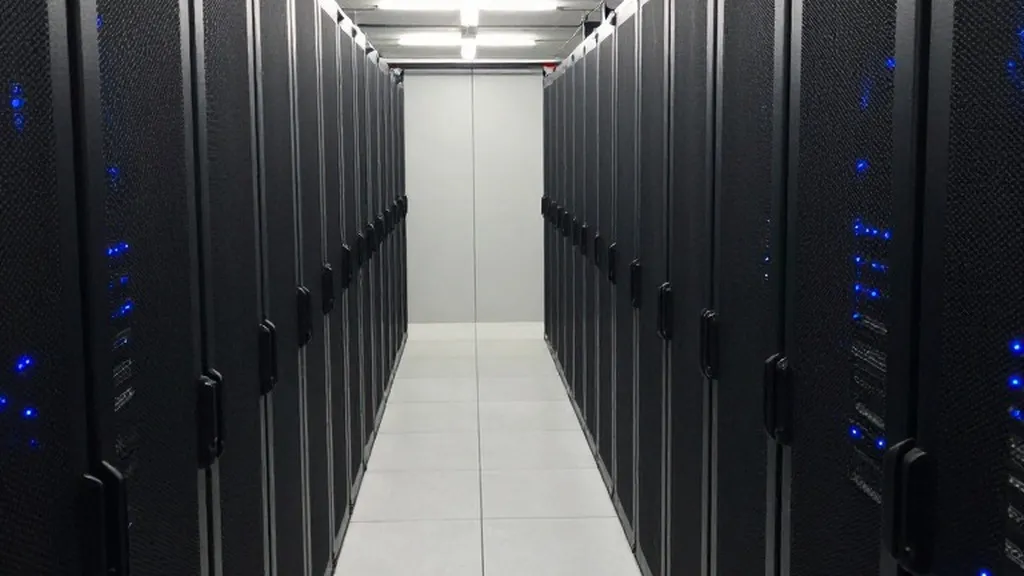
Anthropic is preparing for an initial public offering that projects a valuation between 2.5 trillion dollars and 3 trillion dollars. This financial leap is stark against the company's current financial reality, which includes a deficit of about 500 billion dollars and annual revenue of less than 20 billion dollars. The core question for investors and independents alike is how a company with such a massive gap between its valuation and its income can justify its market position. The answer lies in the control of compute and the strategic positioning against open source competitors, a fight that has intensified since mid-year.
The threat to this closed ecosystem is coming from an unexpected direction: the open source market. Advanced Chinese models are flooding the space, challenging the dominance of proprietary systems. Kimi from Moonshot AI, DeepSeek, Qwen from Alibaba, and models from Xiaomi are leading this charge. These companies are willing to give their models over to the public to increase innovation, creating a competitive pressure that Anthropic feels acutely. This open approach is directly impacting the bottom line of the company preparing to go public.
Kimi K3 has become the focal point of this shift, starting to outperform the Opus 5 models from Anthropic. The model was given to the public, allowing the internet to download, quantize, and run it on smaller machines. This democratization of power is the central fear for Anthropic. The ability to run advanced intelligence on hardware like Mac Studios, A100 cards, and RTX Nvidia models means that the barrier to entry for high-level AI usage is dropping rapidly. This trend undermines the premium pricing structure that Anthropic relies on.
The economics of running these models on consumer and small business hardware are complex. A single Nvidia RTX Pro 6000 graphics card can hold about 15 to 20 light users or 1 to 2 heavy coding users. While the card retails at 20,000 dollars, buying direct from Nvidia at a wholesale price of 3,000 to 4,000 dollars changes the math. At these wholesale prices, the GPU alone takes about 10 months of a heavy user's payment to pay back. For light users, the breakeven is similar, though usage patterns can stretch the bandwidth. These numbers illustrate the tight margins that independent operators face in the current landscape.
Nvidia, aware of this bottleneck, has moved to secure its position in the ecosystem. The company agreed to acquire Hugging Face, the platform where most open AI models are distributed, for 12.9 billion dollars. This price is about 70 times Hugging Face's peak annual revenue of 150 to 200 million dollars. While the stated reason for the acquisition was CUDA, the deeper motive was control of distribution. By owning the platform, Nvidia could influence which models reach the market, particularly in the open source sector where the Chinese threat is strongest.
This consolidation had immediate consequences for developers. After the acquisition, advanced models were deleted from distribution on Hugging Face. Anything over a quant 4, which includes models capable of beating Claude's systems, was removed. The 4 bit, 6 bit, 8 bit, and 16 bit full-sized models were banned from the platform. This move was seen as a direct attempt to curb the performance of open source alternatives. Developers on Discord rallied against what they viewed as censorship and corporate overreach, seeking a new home for their files.
In response to the deletions, the community opened Pirate Face, a new platform where users can upload and download all models. However, the transition was not without cost. Before the new site could fully stabilize, the large 400 gigabyte models at quant 3 and higher were scrubbed from the network. This loss of data highlights the fragility of the open source infrastructure when faced with corporate consolidation. The rise of Pirate Face signals a determined effort by the community to maintain access to high-performance models despite corporate efforts to restrict them.
The U.S. government has also entered the fray, adding a layer of regulatory complexity to the market. Anthropic demanded that Congress ban Chinese models on national security grounds, a move that served to control the market as much as protect the country. This effort was bolstered by a publicity stunt where Anthropic released media suggesting AI would take over the world. This occurred around the time a disgruntled employee, Jacob Coxon, quit amidst his disappointment in AI. The panic generated by this narrative helped push legislation through the system.
Congress passed a bill that now bans any government and its affiliates from using any Chinese models. This regulatory wall provides Anthropic with a significant advantage in the public sector. The company is also trying to pass bills that would stop other companies like Verizon and other networks from launching their own AI models in house. By restricting the use of advanced open source models, Anthropic aims to protect its revenue streams from being undercut by competitors who can build in-house capabilities using free tools.
The drama of the past year also included the release and subsequent suspension of Fable 5 and Mythos 5. These models were released on June 9, 2026, and suspended worldwide on June 12, 2026. The suspension followed an export control directive from the U.S. Department of Commerce. The models were solving too many problems, leading Anthropic to pull them off the shelf. This action was less about winning the AI race and more about controlling the pace and direction of that race, ensuring that no single model became too powerful too quickly.