Novaya Gazeta Closes: Russia's Last Major Independent Paper Ends Run
The publication, founded in the early 1990s, announced its shutdown after editor-in-chief Sergei Sokolov stated the state had made it impossible to operate.
By Andrew Bennett ·
Novaya Gazeta, the oldest and most prominent independent newspaper in Russia, has ceased publication after more than three decades. The closure marks the end of the last major independent newsroom operating inside the country during the war in Ukraine. Staff attributed the decision to sustained state pressure that blocked the paper's ability to function.
The publication was founded in the early 1990s. It built a reputation for defending democratic ideals and criticizing Russian authorities. That work came at a high cost for its reporters. Six journalists were killed on the job, including investigative star Anna Politkovskaya in 2006. The newspaper's cofounder, Dmitry Muratov, received the 2021 Nobel Peace Prize for the paper's defense of press freedom.
Editor-in-chief Sergei Sokolov announced the decision in a video last month. He stated that the Russian state had killed the newspaper by starving it of resources. The state blocked the paper from publishing, raising money, renting an office, or reporting without the risk of prison time. Despite the war's impact on media, Novaya Gazeta remained one of the few independent organizations working inside Russia. Wartime censorship laws had forced other outlets and half of the Novaya Gazeta staff into exile.
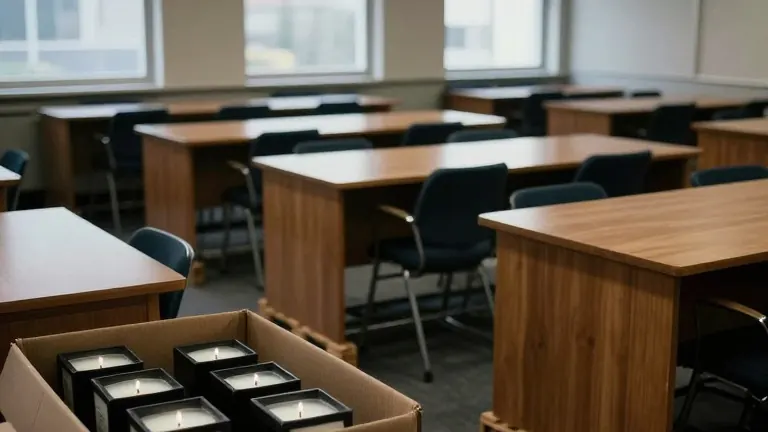
On Monday, staff packed their desks and chairs into storage boxes. They removed portraits of the slain journalists from an office memorial wall. The staff placed the portraits into a box labeled with the words, ours, keep with care. Muratov spoke to a crowd of Russian and foreign journalists outside the office. He described the repressions in Russia as sweeping in nature and stated that security services effectively now run the country.
Tatiana Britskaya, a journalist for the paper, said operating within limits was a necessary trade-off. She noted that war includes refugees, political prisoners, and people who opposed the invasion but stayed. She argued that describing these groups is part of reporting the war. Despite the challenges, the staff believed the trade-off was worth it.
Kremlin spokesman Dmitry Peskov rejected the idea that the government forced the closure. He described the shutdown as a standard and rational process in a competitive media field. Staff rejected this explanation. Columnist Andrei Kolesnikov called the situation a slow strangulation of civil society. He said there is no job for people like them in a totalitarian regime.
Muratov remained at work during the final day. He held up pictures of Russian political prisoners and called for the evacuation of civilians and an end to bombings in Ukrainian cities. He reminded the crowd that millions of Russians never wanted to attack their neighbor. The colleagues revealed a modified version of the newspaper's old office nameplate. The new sign reads, Novaya Gazeta lived here.