Democrats plan aggressive oversight as Trump's DOJ signals combat
With control of both chambers, House leaders prepare for a 100-day investigative push while the White House braces for a combative check on executive power.
By Rosa Wojcik ·
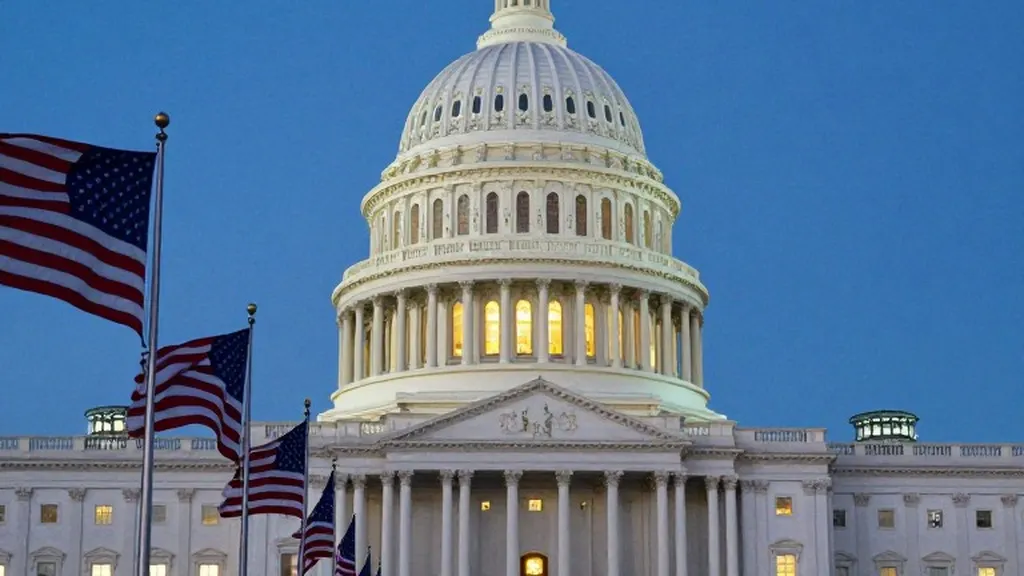
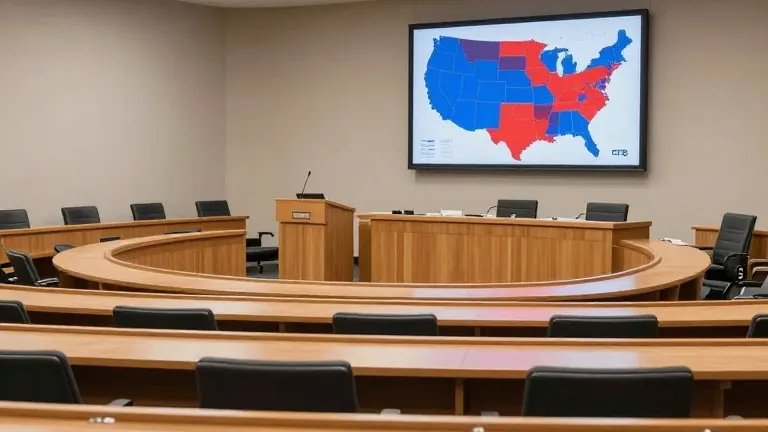
The 2026 midterm elections have concluded, with Democrats securing majorities in both the House and the Senate. This shift in power sets the stage for a significant confrontation between the legislative and executive branches during the final two years of the current administration. The political landscape is now defined by a clear mandate for oversight, as the new congressional leadership prepares to assert its constitutional role in checking the presidency.
President Donald Trump has already taken a combative stance toward the incoming Democratic majority. In a social media post, he described existing investigative requests from Democrats as extortion at the highest level, suggesting that those making such demands should be held accountable. This rhetoric signals an expectation of intense conflict as lawmakers prepare for their first year of control. The tone sets a defensive posture for the executive branch, framing legislative inquiries as political attacks rather than routine governance.
Attorney General Todd Blanche echoed the president's sentiment, noting that criminal investigations of Democrats are possible. He argued that members of the administration and companies should not be threatened by congressional inquiries. Blanche stated that the president is worried about this dynamic and believes he should be. This joint message from the White House and the Justice Department suggests that the administration is prepared to use legal tools to push back against the new congressional agenda.
Rep. Robert Garcia, who is poised to chair the House Oversight Committee, has declared that the days of Democrats not fighting back are over. He is preparing investigations into what he refers to as the Trump crime family. Garcia emphasized that his committee will not be intimidated by the executive branch's response. His leadership role places him at the center of the upcoming oversight battles, and his statements indicate a willingness to engage in a direct contest with the White House.
House leader Hakeem Jeffries, who is expected to become the nation's first Black House speaker, has outlined a 100-day agenda focused on accountability. He stated that if individuals are shortchanging or stealing from the American people, they must be held accountable in a manner consistent with the constitution. Jeffries indicated that impeachment is a viable option for the new Congress. This aggressive posture highlights the priority of oversight in the Democratic legislative strategy for the coming year.
However, there is some internal tension within the Democratic caucus regarding the scope of these investigations. Sen.-elect Adam Hamilton, the first Democrat elected to the Senate from Kansas in 94 years, expressed skepticism about focusing too heavily on impeachment. He argued that his campaign was about bringing people together and did not want the next two years to be spent dividing the country further. Hamilton stated that he is more interested in setting up guardrails than pursuing impeachment, suggesting a preference for structural changes over high-profile legal battles.
Sen. Bernie Sanders, an independent who caucuses with Democrats, also warned against spending all available time investigating the president. He emphasized the need to stand up for working-class families and make a real difference in their lives. Sanders acknowledged the importance of holding the executive branch accountable but stressed that legislative action must also address economic concerns for voters. This perspective reflects a broader concern among some Democrats that an exclusive focus on conflict could overshadow their policy goals.
Jeffries has also addressed the appointment of Stephen Miller as White House chief of staff, calling it an awful choice. He cast doubt on the prospect of working with Miller, stating that there will not be an opportunity to collaborate with him and what he represents. Jeffries said Democrats are committed to forcefully pushing back against the extremism they believe Miller may unleash. This criticism extends to the administration's broader approach to immigration, which many voters felt had gone too far.
Jeffries expressed support for a pending resolution from Rep. Thomas Massie to impeach Defense Secretary Pete Hegseth. He stated that Democrats would be discussing the resolution when they return to the Capitol. Jeffries described his position as a hard yes on the Hegseth resolution, indicating that the new Congress is prepared to pursue specific impeachment efforts early in the session. Hegseth dismissed the push as politics of personal destruction, asserting that it would not work with him.
The new control of both chambers also impacts the confirmation process for presidential nominees. With a Democratic majority in the Senate, the party will have the power to shape the judiciary and executive appointments. This shift means that nominees will face rigorous scrutiny, and the Senate's role in advising and consenting to appointments will become a key area of negotiation. The balance of power in the Senate will determine how quickly or slowly nominees are confirmed, adding another layer of complexity to the executive's ability to implement its agenda.
Looking ahead to the 2028 election cycle, the dynamics of the 2026 results will influence the selection of future candidates. The success of various candidates in this midterm election will likely guide party strategies for the next presidential race. The emphasis on accountability and oversight in the current Congress may shape the types of candidates who emerge as frontrunners in 2028. The political environment created by this midterm election will continue to evolve as both parties prepare for the next cycle, with the lessons of the 2026 race informing future nominations and campaigns.