How the new split Congress shapes the final two years of the Trump administration
With Democrats holding majorities in both chambers, the House and Senate are set to launch investigations and test executive power in the final two years of the current term.
By Andrew Bennett ·
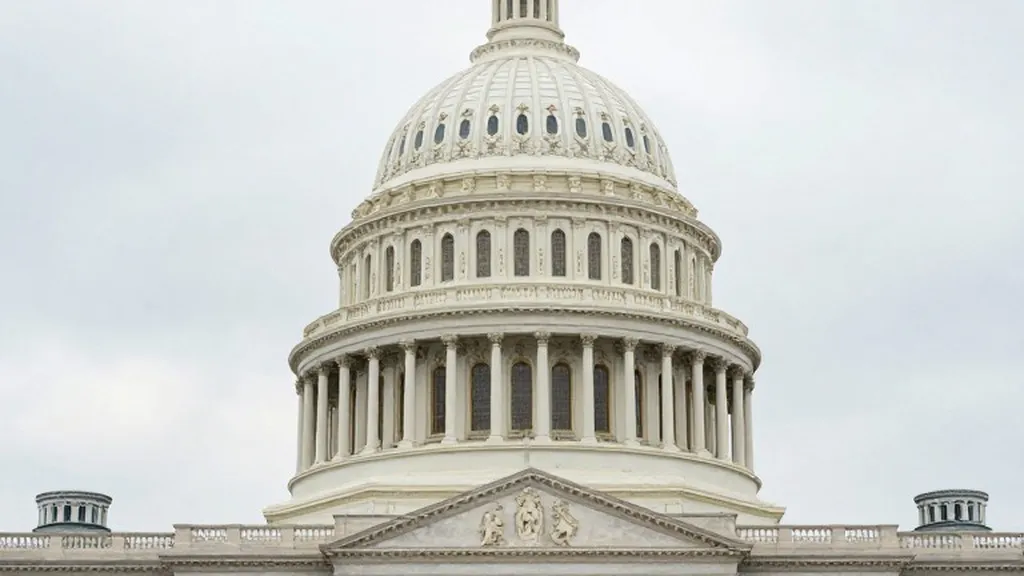
The 2026 midterm elections have reshaped the balance of power in Washington, leaving Democrats with majorities in both the U.S. House and the Senate. As of November 6, Democrats hold at least a 250 to 157 majority in the House and a 54 to 44 majority in the Senate. This shift places the party in control of the legislative agenda for the final two years of President Donald Trump's term, creating a dynamic of divided government that will test the limits of executive authority and congressional oversight.
The immediate consequence of this outcome is the activation of Democratic investigative powers across multiple committees. Rep. Bobby Scott of Virginia, who is set to lead the House Committee on Education and the Workforce, has stated his intent to leave no rock unturned in reviewing the administration's handling of federal student loans and the dismantling of the U.S. Department of Education. His committee holds the authority to issue subpoenas and hold hearings, providing a formal mechanism to scrutinize policy decisions made by the executive branch over the past two years.
In the Senate, the new Democratic majority allows for a more assertive approach to the budgeting process. Sen. Chris Van Hollen of Maryland, a member of the Senate Appropriations Committee, indicated that Democrats are exploring the use of spending bills to establish guard rails around executive actions. He described this strategy as a way to stop the bleeding on specific policy areas, such as the restructuring of the Department of Education, even if it does not immediately reverse all changes. This approach relies on the power of the purse to condition federal funding and limit future administrative moves.
The control of both chambers also sets the stage for a rigorous review of judicial and administrative nominees. With Democrats holding the Senate presidency and a majority in the chamber, they will have the final say on confirmations that require a simple majority. This includes key positions in the federal judiciary and regulatory agencies that will shape legal interpretations well beyond 2028. The process will likely involve detailed hearings and debates over the qualifications and ideological leanings of candidates selected by the White House.
The House majority enables a broader scope of oversight, including the ability to initiate impeachment proceedings, a power that has already been exercised in the case of Defense Secretary Pete Hegseth. Rep. Thomas Massie, a Kentucky Republican who lost his primary, filed an impeachment resolution citing the secretary's handling of military operations in Iran. While the vote is expected to pass the House, the Senate's role in any subsequent trial will be limited by the current partisan balance, making removal from office a difficult prospect without bipartisan support.
The election results also signal a shift in the political landscape for the 2028 presidential cycle. With Democrats winning a majority of governorships and a plurality of state government trifectas, the party has secured a strong base of experienced leaders who are poised to emerge as potential candidates. The performance of these new governors and legislators will be closely watched as a gauge of the party's message and its ability to govern effectively in the next four years.
Both parties are framing the new congressional dynamic in terms that emphasize their respective strengths. Democrats argue that their majorities provide the necessary tools to hold the administration accountable and protect federal institutions from unilateral changes. Republicans, meanwhile, point to the president's veto power as a critical check on legislative overreach, noting that the president has pledged to veto bills he views as harmful to his agenda. This tension suggests a period of significant legislative activity and potential gridlock on major policy issues.
The investigation into the Department of Education serves as a primary example of the new legislative priorities. Democrats plan to use oversight to examine how the department has been restructured and how federal funds are allocated. The White House has criticized these efforts as premature, but congressional leaders maintain that the reviews are essential to ensure transparency and proper stewardship of taxpayer dollars. The outcome of these investigations will likely influence how the administration approaches its remaining policy initiatives.
As the new Congress convenes, the focus will quickly turn to the specific mechanisms of oversight and funding. The ability to issue subpoenas and condition spending gives Democrats significant leverage, but it also requires coordination across party lines to achieve tangible results. The coming months will reveal whether this new balance of power leads to substantive policy changes or serves primarily as a platform for political debate and accountability.
The final two years of the Trump administration will be defined by this new congressional structure, where the House and Senate operate under unified Democratic control. The interplay between investigative hearings, budgetary conditions, and confirmation votes will shape the administrative legacy and set the stage for the 2028 election cycle. The political dynamics established in November 2026 are now the central framework for governance in Washington.