Democrats seize House and Senate as Republicans suffer historic loss
Democratic candidates captured at least 43 House seats and seven Senate seats, ending Republican control of both chambers of Congress for the first time in two decades.
By Rosa Wojcik ·
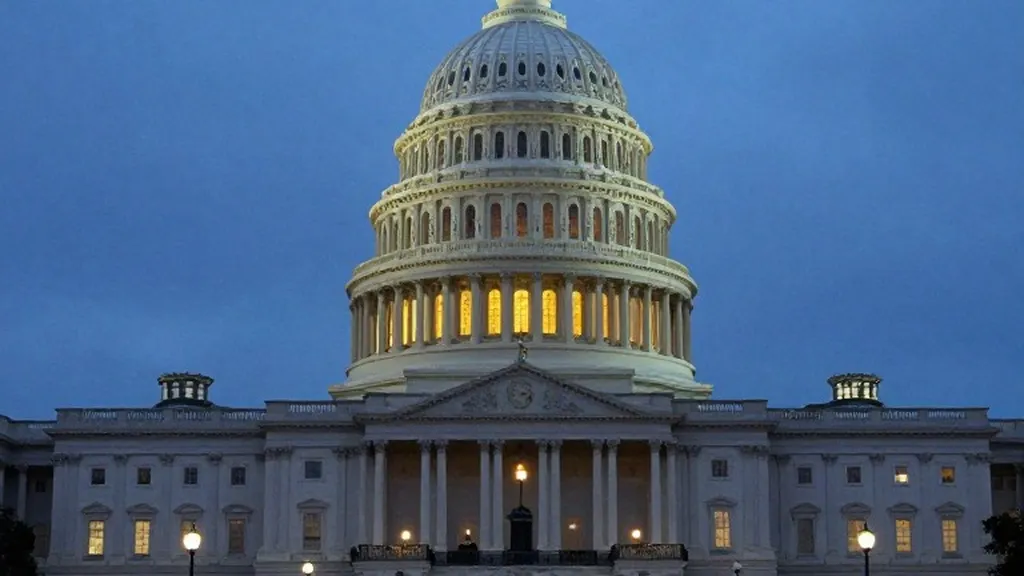
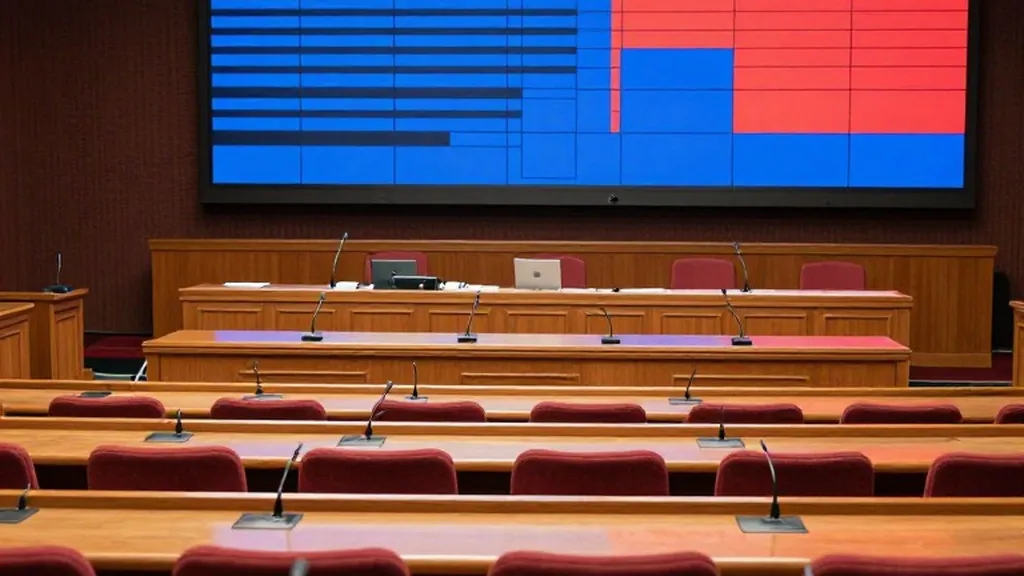
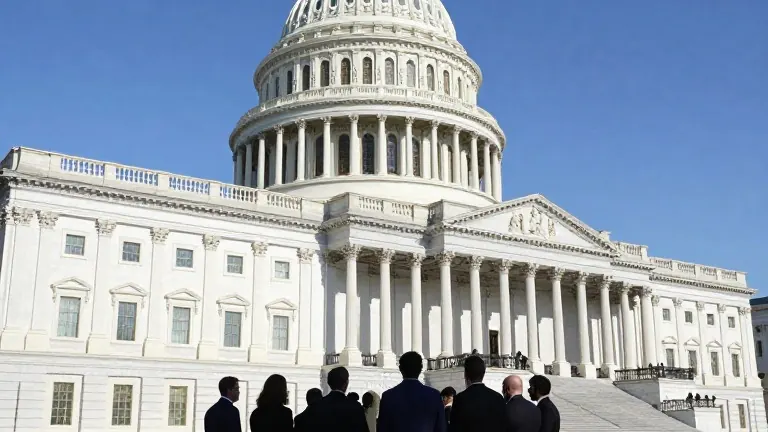
The 2026 midterm elections have concluded with a decisive shift in power in Washington. Democrats have won majorities in both the U.S. House and the Senate, securing at least 250 seats in the House and 54 seats in the Senate as of 4 p.m. Eastern Time on November 6. This outcome marks the first time Democrats have held control of both chambers since before the 2010 elections. The victory represents a significant rebuke of the incumbent party, with Republicans losing at least 42 House seats and seven Senate seats.
The scale of the Republican defeat in the Senate places this cycle among the top 20% of election years in terms of seat swings against a president's party. Analysts have defined this threshold as a wave election. While the House results did not quite reach the 48-seat loss necessary to qualify as a wave under that specific metric, the net loss of 42 seats remains a substantial blow to the party. Uncalled races could still alter these final numbers, but the direction of the swing is clear and immediate.
Democrats also achieved a broader victory at the state level. They won a plurality of state government trifectas and state legislative chambers. This is the first time since before the 2010 elections that Democrats have secured a majority of governorships. As of 4 p.m. Eastern Time on November 6, the trifecta status had been decided in 44 of the 46 states. This state-level control provides the party with additional leverage in shaping policy and appointments beyond the federal legislative process.
The shift in congressional control has immediate implications for the legislative agenda. Democrats are preparing to use their new oversight and appropriations powers to push back against decisions made by the Trump administration. Rep. Bobby Scott of Virginia, who is set to lead the House Committee on Education and the Workforce, stated he plans to leave no rock unturned in his investigation of the administration's policies. He emphasized the committee's authority to issue subpoenas and hold hearings to examine the dismantling of the U.S. Education Department.
Sen. Elizabeth Warren of Massachusetts called on her colleagues to hold the administration accountable for turning its back on students. She highlighted the need to scrutinize how federal student loans and anti-discrimination policies have been managed. The new Democratic leadership in the Senate is also exploring the use of the budgeting process to establish guardrails. Sen. Chris Van Hollen of Maryland noted that there will be an interest in using the power of the purse to prevent abusive practices and stop the bleeding in key agencies.
Despite the change in power, the transition is not without friction. President Donald Trump has threatened to use his veto power against bills he sees as harmful, limiting the legislative countermeasures available to the new congressional majority. Education Department spokesperson Savannah Newhouse accused Democrats of plotting to prematurely sabotage Education Secretary Linda McMahon. White House spokesperson Liz Huston argued that Democrats had demonstrated disastrous leadership in their previous control of Congress before Trump returned to office.
The election results also influence ongoing political maneuvers in the current Congress. Rep. Thomas Massie of Kentucky moved to force a vote to impeach Defense Secretary Pete Hegseth following the midterms. He cited the war in Iran and other military actions as high crimes and misdemeanors. House Democratic Leader Hakeem Jeffries supports the measure, and if most Democrats follow him, Massie would only need support from a few Republicans to impeach Hegseth. A vote in the House could come by mid-week, though the process remains uncertain.
Republican leaders expressed frustration at the timing of the impeachment push. House Speaker Mike Johnson, who has tried to prevent the vote, stated that impeachment in the middle of hostilities abroad would be a terrible look for allies and enemies. Senate Majority Leader John Thune said he was unsure why the vote was being held now but noted that the Senate would have to deal with it accordingly. Hegseth has brushed aside the push, telling reporters he is eager to defend the military actions taken against Iran, Yemen, and Venezuela.
The election outcomes also reflect changing dynamics in key states. In California, Xavier Becerra won the governor's race, becoming the state's first elected Latino governor. His victory continues a streak of five consecutive Catholic governors in the state. Catholic voters, especially Latinos, helped elect Becerra, according to the AP Voter Poll. About 6 in 10 Catholic voters supported Becerra, while about 4 in 10 voted for his Republican opponent Steve Hilton. This result underscores the complex political patterns among religious voters in the state.
The new congressional majority faces the task of implementing its agenda while managing a divided government where the presidency remains Republican. The administration has shown no sign of backing away from its campaigns to close the Education Department and end diversity, equity and inclusion policies. However, with Democrats in control of both chambers, they are prepared to use their tools to push back against these decisions. The coming months will test the ability of the new leadership to enact change or at least slow the pace of administrative action.
The results of the 2026 midterm elections signal a clear shift in the balance of power in American politics. Democrats have regained control of the federal legislature and made significant gains in state governments. This new alignment will shape the legislative and oversight landscape for the next two years. The party now has the opportunity to review past decisions and set the terms for future cooperation or conflict with the executive branch.