Hegseth Impeachment Push Follows Democratic Wave on Iran War
Democrats leveraged their new congressional majorities to target the Defense Secretary following a war that cost Republicans significant ground in the 2026 midterms.
By Ethan Cook ·
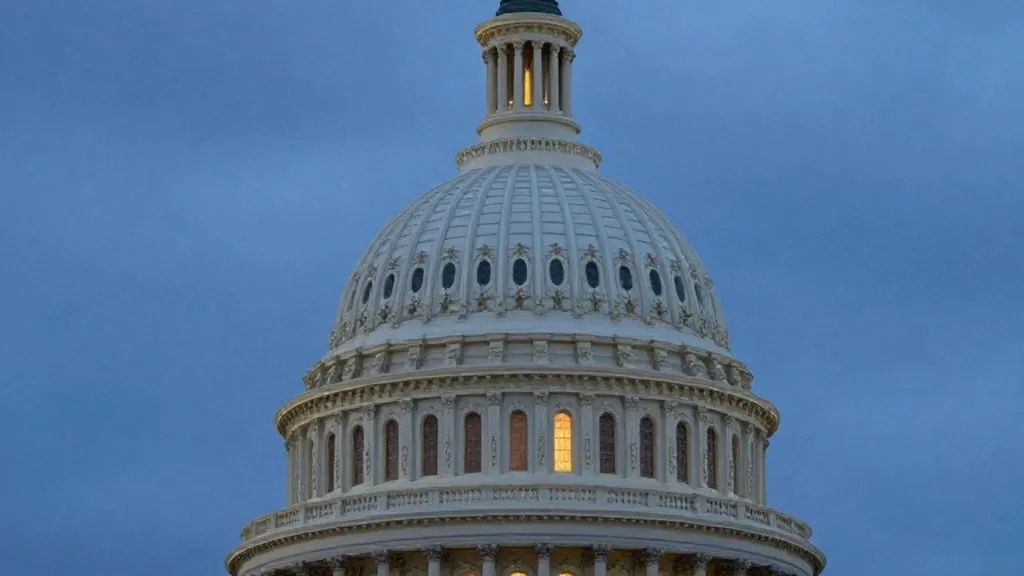
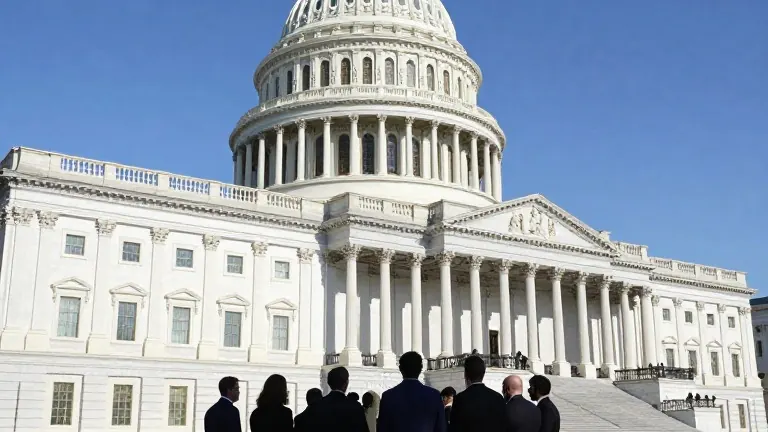
The midterms of 2026 have concluded with a decisive shift in power, leaving Democrats with majorities in both chambers of Congress. This electoral realignment has immediately placed the administration's handling of the war in Iran at the center of legislative action. The conflict, which had become a defining issue for voters, contributed to a net loss of at least seven Senate seats and 42 House seats for the Republican Party. With Democrats now holding at least a 250 to 157 majority in the House and a 54 to 44 majority in the Senate, the new leadership has moved swiftly to hold the executive branch accountable for recent military decisions.
At the heart of this new legislative agenda is the impeachment of Defense Secretary Pete Hegseth. Representative Thomas Massie of Kentucky, a Republican, introduced the resolution just hours after the House opened for its first session following the election. The move signals a unified front among the newly empowered Democrats and a faction of dissatisfied Republicans who viewed the war as a key reason for their party's losses. Massie argued that Hegseth knowingly executed unlawful orders and remains a threat to the Constitution, framing the conflict as high crimes and misdemeanors.
The resolution focuses primarily on the war in Iran but also references military actions in Yemen and Venezuela. House Democratic Leader Hakeem Jeffries has expressed full support for the measure. With the party balance shifted, Massie requires only a small number of Republican votes to secure the necessary threshold for impeachment in the House. This dynamic places immediate pressure on Republican leadership, who are eager to execute their own agenda during their final weeks in power before the new Congress convenes in January.
President Donald Trump reacted sharply to the impeachment push, criticizing Representative Massie personally during a White House briefing. The President called the congressman a loser with a lot of hatred in his heart, a remark that highlighted the tension between the executive branch and the legislative opposition. Trump's comments underscored the high stakes of the conflict, which had already strained relations between the two branches of government. The administration maintains that the military actions were necessary and justified, while the opposition argues they lacked proper legal grounding.
Senate Majority Leader John Thune expressed uncertainty about the timing of the vote, noting that the Senate would have to deal with the outcome accordingly. House Speaker Mike Johnson, who had attempted to prevent the vote, described impeachment in the middle of hostilities abroad as a terrible look for allies and enemies to see. These reactions illustrate the internal division within the Republican Party, where some leaders prioritize their remaining legislative agenda while others focus on defending the administration's record on national security.
The war in Iran had emerged as a critical issue for voters, particularly in swing districts where the cost and conduct of the conflict influenced turnout and candidate selection. The election results show that voters rewarded parties that challenged the administration's foreign policy approach. Democrats won a majority of governorships for the first time since before the 2010 elections, further solidifying their position as the dominant political force. This broad-based victory provides them with the leverage to pursue oversight and accountability measures that were previously stalled by Republican majorities.
Defense Secretary Hegseth has begun to step up his public defense, stating that he is eager to defend the military actions taken against Iran, Yemen, and Venezuela. He brushed aside the impeachment push during a speech at the Naval War College, asserting the validity of his decisions. His stance suggests that the administration will not back down from its position, setting the stage for a contentious legislative process. The coming weeks will see intense debate over the legal and strategic merits of the war, with both parties using the issue to define their platforms for the future.
The shift in congressional power also means that Democrats can use their oversight and appropriations powers to investigate the war's funding and execution. This includes reviewing contracts, personnel decisions, and strategic communications related to the conflict. The new majority in the House allows for more aggressive subpoenas and hearings, which could uncover details that influence public opinion and future policy. The Senate's new Democratic leadership can similarly scrutinize the executive branch's actions through the confirmation and budget processes.
As the House prepares for a vote that could come by mid-week, the political landscape is defined by the intersection of foreign policy and domestic politics. The war in Iran is no longer just a matter of national security but a central theme of the new Congress's agenda. The outcome of the impeachment vote will determine whether the Senate holds a trial, a process that would further draw attention to the conflict. For now, the focus remains on the House, where the new Democratic majority holds the power to initiate this significant constitutional action.
The election results also indicate a broader trend of voters seeking accountability from the party in power. The net loss of seats for Republicans places this election among the top 20% of years in terms of seat swings against a president's party. This wave election provides Democrats with a strong mandate to challenge the administration's policies, including those related to the war in Iran. The coming session will be marked by intense scrutiny of the executive branch, with the war serving as the primary battleground for legislative control and political influence.