Israel votes Tuesday on Iran trust
Elections center on whether to keep Netanyahu or back the military after a reported dispute over Iranian operations.
By Rosa Wojcik ·
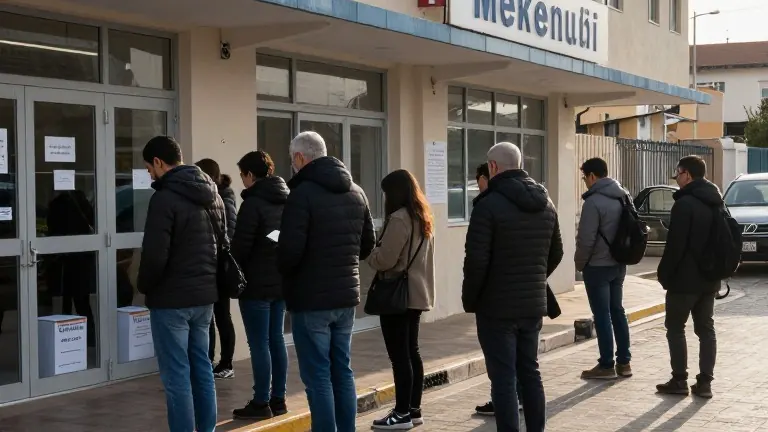
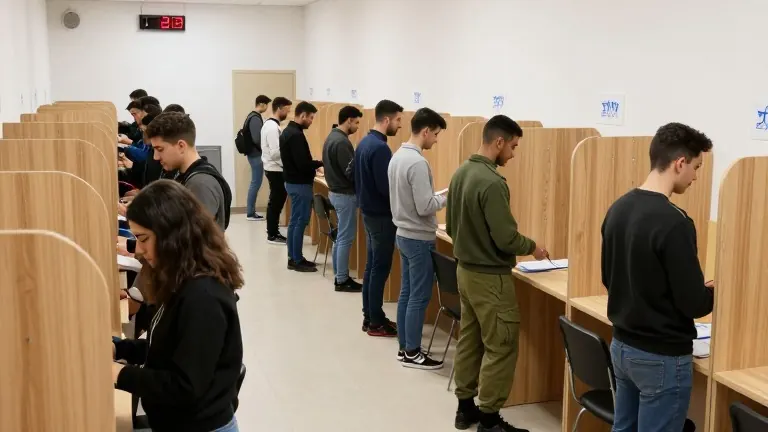
Voters in Israel cast ballots on Tuesday, October 27, to choose their next government. The campaign has centered on a single question: who do citizens trust to handle the threat from Iran? Prime Minister Benjamin Netanyahu argues his experience is essential to prevent a second Holocaust. His opponents argue his political survival has clouded his security judgment.
The debate intensified on Sunday when Netanyahu shared an AI-generated image of a nuclear explosion over Tel Aviv. He paired the graphic with a warning that losing the election could expose the country to existential danger. This move linked the nation's survival directly to his continued tenure. Critics said the message asked voters to believe that decades of institutional building would fail without him at the helm.
A report from N12 News on Sunday night added fuel to the fire. It stated that IDF Chief of Staff Lt.-Gen. Eyal Zamir resisted an instruction for a military operation that officials feared could trigger a conflict with Iran. Zamir reportedly wanted further deliberations and signed legal documentation before proceeding. Netanyahu denied any tension with the military leadership over the issue.
The report created a new line of attack for the change bloc. If the military chief of staff questioned the prime minister's judgment, voters might wonder if the top commander trusts the political leader. However, the report relies on anonymous sources. Some see it as evidence that military professionals are restraining a prime minister driven by political goals. Others view it as a timed leak designed to damage his standing, similar to the previously contradicted report about Egyptian intelligence chief Abbas Kamel visiting Israel before October 7.
October 7 casts a long shadow over these questions. The military and intelligence agencies failed to prevent the Hamas attack, damaging their credibility. For many voters, a report of military opposition to Netanyahu does not automatically mean the military is right. Yet Netanyahu was in charge on that day and bore ultimate political responsibility. The disaster undermined confidence in both the security establishment and the political leadership.
There is no simple formula for voters. Military leaders can be wrong, and political leaders can correctly overrule them. But decisions made days before an election may be influenced by the desire to win. Netanyahu asks voters to trust his specific experience with Iran. The change bloc asks them to trust that different leaders will manage the same threats more responsibly. Both sides make their case against the backdrop of a day that exposed the limits of expertise.
The election will determine the coalition that must address issues beyond Iran. The closing arguments have sharpened the choice regarding whose judgment to credit. Netanyahu says the danger is too great to replace him. His rivals say it is too great to leave him in place. On Tuesday, Israelis will decide which warning they believe.