Justice Department sues to halt Alaska Senate certification over candidate naming dispute
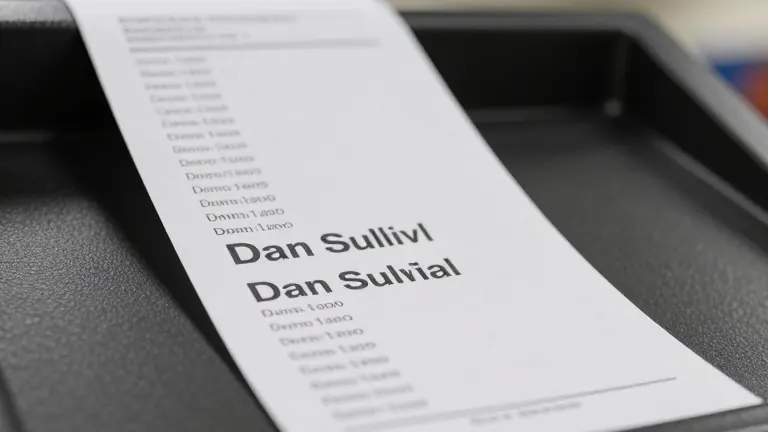
The administration is investigating whether the Peltola campaign recruited a second candidate named Dan Sullivan to confuse voters in the ranked-choice vote.
By Ethan Cook ·
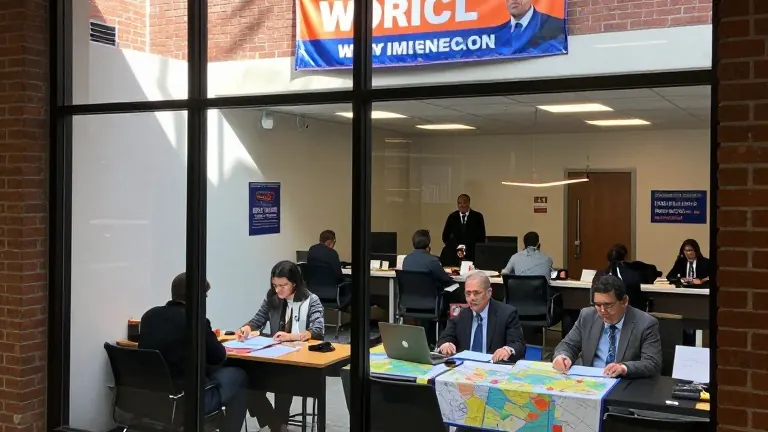
The Trump administration filed a lawsuit last week to prevent the certification of a potential victory for Democrat Mary Peltola in the Alaska Senate race. The legal action seeks to pause the process until officials determine if voters were confused by the presence of two candidates with the same name on the ballot. This move follows a report by The New York Times detailing internal campaign communications regarding the recruitment of a second Dan Sullivan.
The lawsuit targets a specific political tactic known as running a spoiler candidate. The practice dates back to at least 1946. In that year, a 27-year-old janitor named Joe Russo was recruited to run against a four-term Boston city councilman of the same name. The janitor was placed on the ticket by supporters of John F. Kennedy, who won the race. The use of such candidates has persisted in American politics for decades.
In the current Alaska contest, Republican Sen. Dan Sullivan faces three challengers. Peltola, the former state representative, is the primary opponent. She is joined by two candidates who have campaigned minimally, including a retired school teacher named Daniel J. Sullivan Jr. Alaska Republicans have long suspected the second Sullivan of being a Democratic plant to split the opposition vote. The Justice Department issued subpoenas in a criminal investigation into the matter, a step critics say is unusual so close to an election.
Peltola has denied involvement in the scheme, as has the Democratic Senatorial Campaign Committee. The Justice Department defended its timing in a statement on Wednesday, asserting it is following the facts and the law rather than a political timetable. Justin Levitt, a former Justice official and current law professor at Loyola Marymount University, called the timing unlikely to stand up to scrutiny. He noted that campaigns frequently recruit such candidates and that no disclosed behavior appears to violate federal law.
Trump’s own political operation has used similar tactics in other states this cycle. In Ohio, a group tied to the president is urging voters to support a socialist candidate to pull votes from the Democrat. In Nevada, a Republican-linked operation is boosting an independent governor candidate named Danielle Ford, who shares a last name with the Democratic challenger. In 2020, Trump allies attempted to recruit Kanye West as a third-party presidential candidate.
Jason Torchinsky, a veteran campaign finance attorney, said the reporting points to possible crimes involving the financing of the operation. He argued that Alaska’s ranked-choice voting system is particularly prone to manipulation. Anyone who pays a $100 filing fee can appear on the primary ballot. The top four finishers advance to November, where voters rank three choices. This stands in contrast to traditional systems where parties control nominations through signature collection.
Defenders of the Alaska system argue it is harder to manipulate because voters can rank both candidates named Sullivan above Peltola. Sullivan’s campaign is urging Alaskans to do exactly that. In states with traditional voting methods, a vote for a third-party candidate reduces the total available for the two major parties. This is why the GOP often supports Green Party candidates in other states to keep them off the ballot or to manage the split.
The issue of identical names has had criminal consequences in the past. In 2020 in Florida, a Republican former state senator was convicted of illegal campaign contributions for helping a second candidate named Alex Rodriguez run against a Democratic state senator. The Democrat lost his seat by 32 votes. David Becker, executive director of the Center for Election Innovation and Research, expects a judge to reject the Justice Department’s lawsuit quickly if Sen. Sullivan does not win. He suggested that Congress could regulate these tactics to prevent their use by both parties.