Courts and postal measures shape election administration
Federal rulings on noncitizen voting and ballot handling, along with USPS expansions, create a complex backdrop for today's vote.
By Andrew Bennett ·

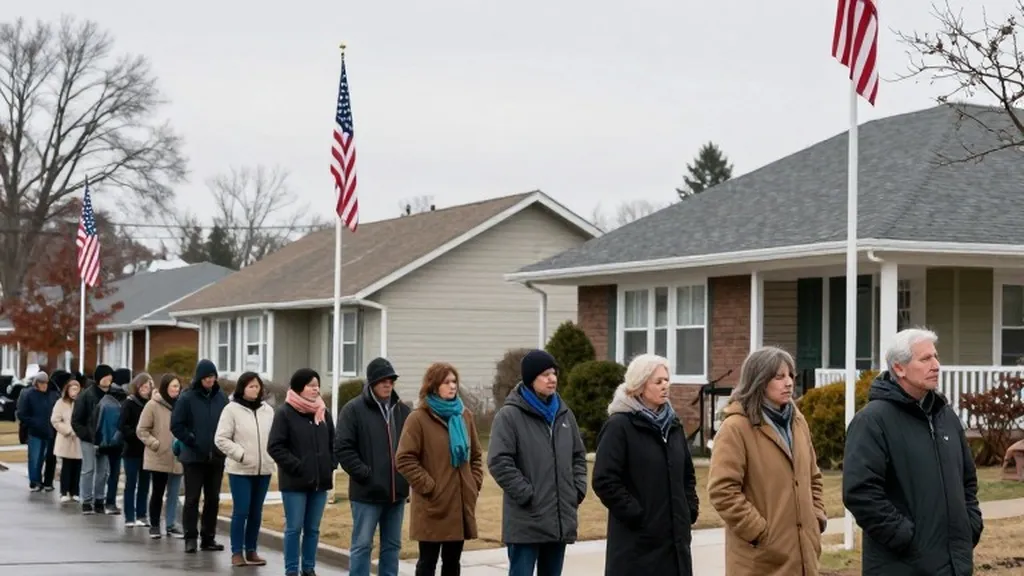
Voters across the United States are casting ballots on a day marked by significant legal and logistical developments. A federal judge temporarily barred the Trump administration from implementing a plan designed to prevent noncitizen voting. Critics of the administration argued that this plan risked disenfranchising eligible voters and infringed upon the authority of states over elections. This legal intervention has added a layer of complexity to the voting process, particularly in states where the rules regarding citizenship verification are strictly enforced by local officials.
In a related legal development, a judge ordered the administration to stop demanding that California election officials segregate ballots cast by individuals on lists of suspected noncitizens. This ruling comes as the Justice Department continues to monitor local election practices closely. The administration has filed lawsuits in both Alaska and California, actions that Democrats fear could lead to interference or intimidation of local election officials. These legal battles highlight the ongoing tension between federal oversight and state-level administration of the midterms.
The U.S. Postal Service has taken specific measures to ensure the timely processing of mail ballots. The agency added extra hours, increased staffing levels, and established special lines dedicated to election mail. These steps are intended to mitigate the risk of delays in counting votes, a concern that has grown as more voters choose to participate by mail. The efficiency of these operations is critical for states that rely heavily on mail-in voting for their final tallies.
Legal uncertainties extend to the certification of results in specific states. The Trump administration filed a lawsuit in Alaska related to the certification of the Senate result. This move is part of a broader strategy to scrutinize the administrative aspects of the election. Meanwhile, in California, the focus has been on the handling of provisional and challenged ballots. These legal actions suggest that the final determination of control over Congress may depend as much on court decisions as on the votes cast at polling places.
The election is being viewed as a referendum on the president's second term. Voters are reportedly struggling with high prices and are angry over an unpopular war with Iran. Polling conducted by AP-NORC indicates that 35 percent of U.S. Adults approve of the president's job performance, while 25 percent approve of his handling of the economy. Approximately seven in ten respondents said the country is heading in the wrong direction. These sentiments are influencing voter turnout and the intensity of the campaign in battleground districts.
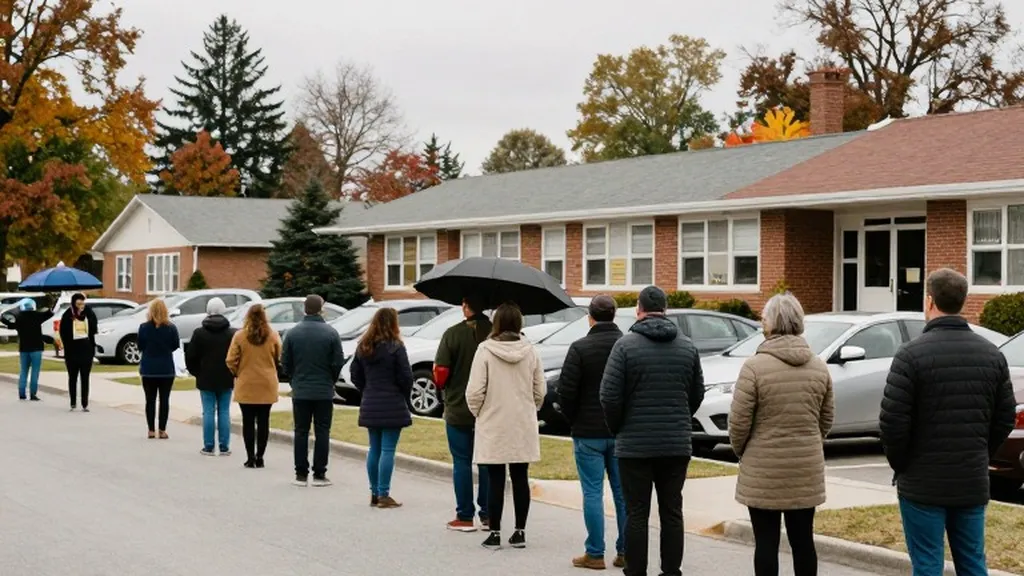
More than 57 million people had already voted as of Monday, surpassing the early vote totals from four years ago in many closely watched states. This high level of early participation suggests that final results may be determined by a combination of in-person voting and the processing of mail ballots. The U.S. Postal Service's expanded operations are aimed at ensuring that these mail ballots are counted on time, a process that is vital for the accuracy of the final tallies in states with significant mail voting populations.
Republican and Democratic leaders have both acknowledged the importance of turnout and administration in this election. RNC Chairman Joe Gruters stated that everything depends on turnout and that the party has been planning for this moment. DCCC Chair Rep. Suzan DelBene said that the American people are angry and want change. Both parties are monitoring the legal proceedings closely, as court rulings could potentially alter the number of valid votes counted or the timing of the final certification in key states.
The administration's continued claims about voting fraud have heightened scrutiny of the election process. The president has made false claims that noncitizens vote in large numbers, a narrative that has been central to the administration's legal strategy. The lawsuits in Alaska and California are part of this effort to challenge the validity of certain votes. Democrats have expressed concern that these actions could intimidate local election officials or lead to the rejection of valid ballots, particularly in competitive races where the margin of victory is expected to be narrow.
Wall Street is also watching the election administration process closely. Results could add to investor concerns about AI spending and debt ceiling negotiations. The clarity of the final count is important for markets, as uncertainty over the control of Congress can lead to volatility. The legal battles over voting rules and the logistical challenges of counting mail ballots are therefore not just political issues but also economic ones that could influence market sentiment in the coming weeks.
The mood among voters is one of high engagement mixed with anxiety over the cost of living. Voter Mark Barker of Palm Beach Gardens, Florida, said he has been following the president closely and believes he is doing an awesome job. In contrast, James Moore, a librarian in Raleigh, North Carolina, noted that he is paying more taxes and more for healthcare. These personal experiences reflect the broader economic concerns that are driving voter behavior and influencing the strategies of both parties in the final hours of the election.
Today's vote is being administered under a set of rules that have been shaped by recent legal decisions and administrative adjustments. The temporary bar on the noncitizen voting plan and the order regarding California's ballot segregation are the most significant legal developments. The U.S. Postal Service's expanded operations provide the logistical support necessary for a high-volume mail vote. As polls open and voters head to the polls, the interplay between these legal and administrative factors will determine the final outcome of this historic midterm election.