57 Million Early Votes Set Stage for Midterm Turnout Showdown
With polls open, both parties focus on getting voters to the polls, while new congressional maps and high prices shape the day's decisions.
By Ethan Cook ·
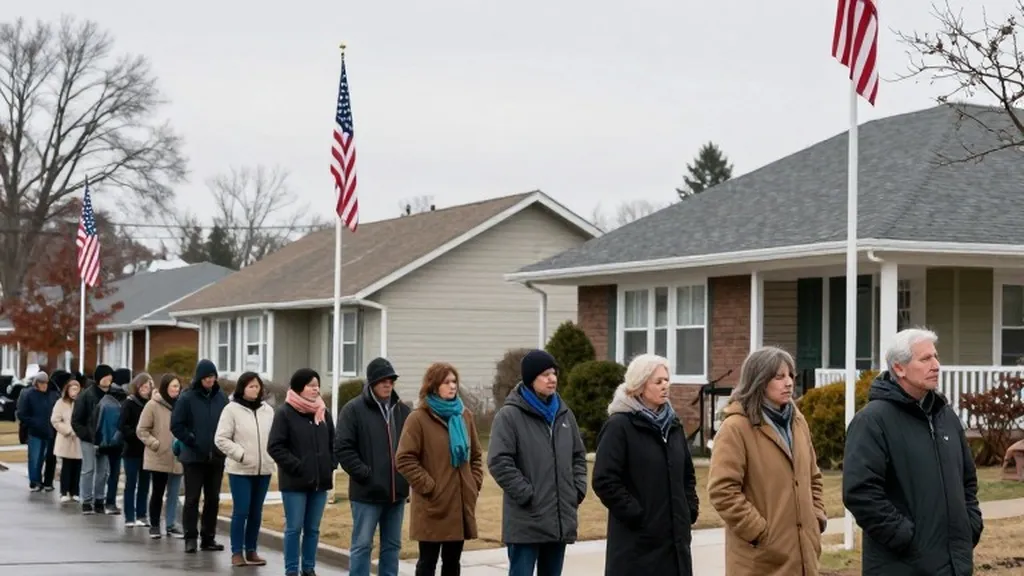
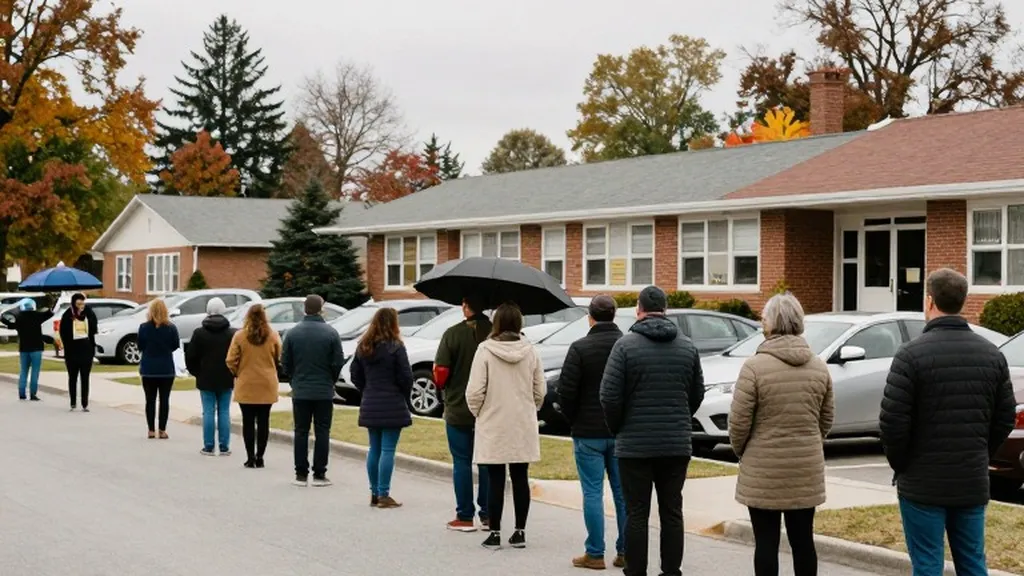
More than 57 million Americans had already cast their ballots as of Monday, surpassing the early vote totals of four years ago in many closely watched states. This high volume of early voting sets the backdrop for Tuesday's election, where the final push to the polls will determine control of Congress. The Associated Press describes the election as a referendum on President Donald Trump's second term, noting that voters are struggling with high prices and are angry over an unpopular war with Iran. With polls open, the day is defined by what voters are doing in the booths and mailboxes rather than by final results.
RNC Chairman Joe Gruters emphasized the critical nature of voter participation for his party. He stated, "Everything depends on turnout. If we turn out our voters, we win, and that's what we've been planning for." This sentiment reflects a Republican strategy that has focused heavily on mobilizing their base. Republicans were bracing to lose the House and are fighting to hold the Senate, with the Associated Press noting that one or two seats could tip either chamber. The ground game for Republicans has been intense, with Trump holding dozens of rallies to energize supporters, including a stop in Salina, Kansas, where he urged voters to pretend he was on the ballot.
Democratic Chair Rep. Suzan DelBene offered a contrasting perspective on the motivation of voters. She said, "The American people are angry. They want change." Democrats entered the day cautiously optimistic, relying on a narrative of economic frustration to drive turnout. The Democratic strategy has involved highlighting the cost of living, a theme echoed by voters like James Moore, a librarian in Raleigh, North Carolina, who noted that he is paying more for taxes, healthcare, and everything else. This focus on economic strain is central to the Democratic effort to regain control of at least one chamber of Congress.
The stakes of the day are high for the composition of both legislative chambers. All 435 seats in the U.S. House are up for election, with Democrats needing a net gain of three districts to achieve a majority. In the Senate, 35 seats are contested, including 33 regular elections and two special elections. Republicans hold 53 seats and can afford to lose only two to maintain their majority, while Democrats need a net gain of four seats. The Associated Press and Ballotpedia identify 13 Senate races as battlegrounds, including contests in Georgia, Kansas, and Michigan. The outcome of these races will determine which party controls the Senate for the next two years.
New congressional maps in six states, including California, Florida, and Texas, add a layer of complexity to the House races. Ballotpedia counts 46 battleground districts in the House, with 25 held by Democrats and 21 by Republicans. These new maps, drawn after mid-decade redistricting, may not vote as initially predicted. Republicans tried to beat the typical midterm pattern, where a president's party almost always loses seats, by utilizing these redistricting efforts. However, the effectiveness of these new boundaries remains a key factor in how the day unfolds for candidates on the ground.
Money has played a significant role in shaping the campaign, with the 2026 elections likely to be the most expensive in history. Republican committees outraised and outspent Democratic committees, aided by Trump-affiliated groups and Elon Musk. An AP analysis of AdImpact data shows that 88.1 percent of Republican general election TV ad spending went to states and districts Trump won in 2024. In contrast, at the candidate level, Democrats outraised their opponents. This financial disparity has influenced where campaigns spent their resources, with Republicans focusing heavily on areas they consider winnable or defendable.
The election also features 36 governorships, a race that Democrats hope will allow them to hold a majority for the first time in two decades. Republicans currently hold 26 governor's offices, while Democrats hold 24. Ballotpedia identifies nine competitive governor races, including contests in Georgia, Ohio, and Nevada. In Ohio, Republican Vivek Ramaswamy faces Democrat Amy Acton, a race that has seen controversy over campaign ads. In Georgia, Republican Rick Jackson is challenging Democratic former Atlanta Mayor Keisha Lance Bottoms. These executive races are watched closely as they can influence the political dynamics of the states for the next four years.
Voter sentiment is mixed, with many independents and swing voters weighing in on the direction of the country. An AP-NORC poll indicates that 35 percent of U.S. Adults approve of Trump's job performance, while about seven in ten say the country is heading in the wrong direction. Most voters in the poll blamed the president for high prices. This economic anxiety is a driving force behind the turnout efforts of both parties. Voters like Mark Barker of Palm Beach Gardens, Florida, expressed support for the president, while others like James Moore cited rising costs as their primary concern. These individual stories reflect the broader national debate over the state of the economy.
Election administration has been a point of contention, with legal challenges affecting how votes are counted in some states. A federal judge temporarily barred the Trump administration from carrying out a plan to prevent noncitizen voting, citing concerns about disenfranchising eligible voters. In California, a judge ordered the administration to stop demanding that election officials segregate ballots cast by people on lists of suspected noncitizens. The U.S. Postal Service added hours and staff to ensure mail ballots are counted on time. These administrative steps are crucial for ensuring that all votes are recorded and tallied accurately on Election Day.