The Billion Dollar Midterms: Money Flows Where Trump Won
Republican committees dominate spending in Trump-land while Democrats focus their resources on candidate-level advantages in competitive districts.
By Rosa Wojcik ·

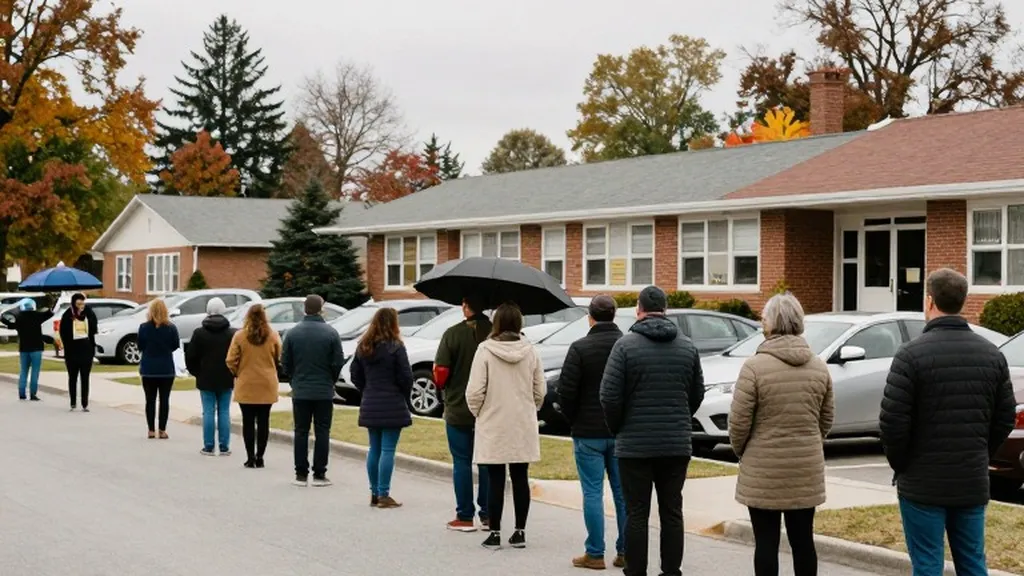
The 2026 midterm elections are tracking to become the most expensive in American history, with billions of dollars flowing into a campaign cycle that defines the power balance of the second half of President Donald Trump's term. As polls open across the country, the financial dynamics of the race reveal a distinct split in how the two major parties are deploying their resources. This spending pattern is not just a byproduct of a high-stakes election but a strategic decision that reflects where each party believes its best chances for victory lie.
According to an analysis of AdImpact data, Republican committees have outraised and outspent their Democratic counterparts at the committee level. This financial advantage has been significantly bolstered by contributions from Trump-affiliated groups and billionaire Elon Musk. The sheer volume of money available has allowed Republican organizations to maintain a persistent presence in media markets across the country, ensuring that their messages reach a broad audience throughout the campaign.
The distribution of this Republican spending is highly concentrated. The analysis shows that 88.1 percent of Republican general election television ad spending has gone to states and districts that Trump won in 2024. Within this figure, more than $850 million was spent in areas where the President won by ten points or more. This strategy suggests a focus on defending a solid base and maximizing turnout in safe Republican territory, a approach that aligns with the party's goal of holding the Senate and limiting losses in the House.
In contrast, Democratic strategy has focused on efficiency at the candidate level. While their committees may have less total cash, Democrats have outraised their opponents in specific competitive races. This allows individual candidates to outspend their rivals in key battlegrounds where the margin of victory is expected to be narrow. This targeted approach reflects the Democratic need to gain seats in both chambers, requiring a net gain of three districts in the House and four seats in the Senate to achieve majorities.
The financial edge of the Republican side is evident in the volume of advertising and the reach of their messaging. However, Democrats argue that their candidate-level advantage allows them to compete effectively in the races that matter most. The result is a complex financial landscape where total spending does not always equate to local dominance in specific districts. Voters in these battleground areas are being bombarded with competing messages, each backed by significant financial resources.
The role of Elon Musk in this funding surge has been a subject of intense scrutiny. His involvement has provided a substantial boost to the Republican war chest, allowing their committees to maintain a spending lead throughout the cycle. This infusion of private capital has changed the traditional dynamics of midterm fundraising, where parties typically rely on a broader base of smaller donations. The presence of such a large donor has raised questions about the influence of individual billionaires on the electoral process.
Meanwhile, the Democratic focus on candidate-level fundraising has resulted in a competitive environment in many of the 46 battleground districts identified by Ballotpedia. In these districts, the financial resources are often closer, allowing candidates to compete on local issues and name recognition rather than sheer volume of advertising. This strategy is crucial for Democrats, who need to flip a small number of seats to shift control of the House and potentially the Senate.
The implications of this spending disparity extend beyond the immediate election. The concentration of Republican money in Trump-land suggests a strategy of consolidation, while the Democratic focus on competitive districts indicates a strategy of expansion. Both approaches carry risks, and the ultimate success of each will depend on how voters respond to the messages being delivered in their communities.
As voters head to the polls, the financial backdrop of the election provides a clear picture of the strategies employed by both parties. The Republican reliance on committee-level spending and the Democratic focus on candidate-level advantages create a dual-track approach to the midterms. This dynamic will likely influence the outcomes in closely watched races across the country, from the Senate contests in states like Kansas and Georgia to the House races in swing districts.
The election also serves as a referendum on the current administration, with voters weighing the high prices and unpopular war with Iran against the promise of continued Republican control. The money spent in this cycle has helped shape the narrative, with both parties using their resources to highlight their strengths and attack their opponents. The result will be a Congress that reflects not only the will of the voters but also the financial power of the political parties involved in the race.
The final tally of this expensive election will determine who controls Congress for the next two years. With Republicans holding 218 House seats and 53 Senate seats, the financial strategies employed by both parties will play a critical role in determining whether the balance of power shifts. The coming days will reveal whether the Republican spending edge in safe districts or the Democratic candidate-level advantage in competitive areas proves to be the deciding factor in this historic midterm election.