Iran War Weighs on Midterm Ballots as Voters Weigh Cost of Conflict
With polls open, the unpopular war in Iran and high prices are central to the referendum on President Trump's second term.
By Rosa Wojcik ·
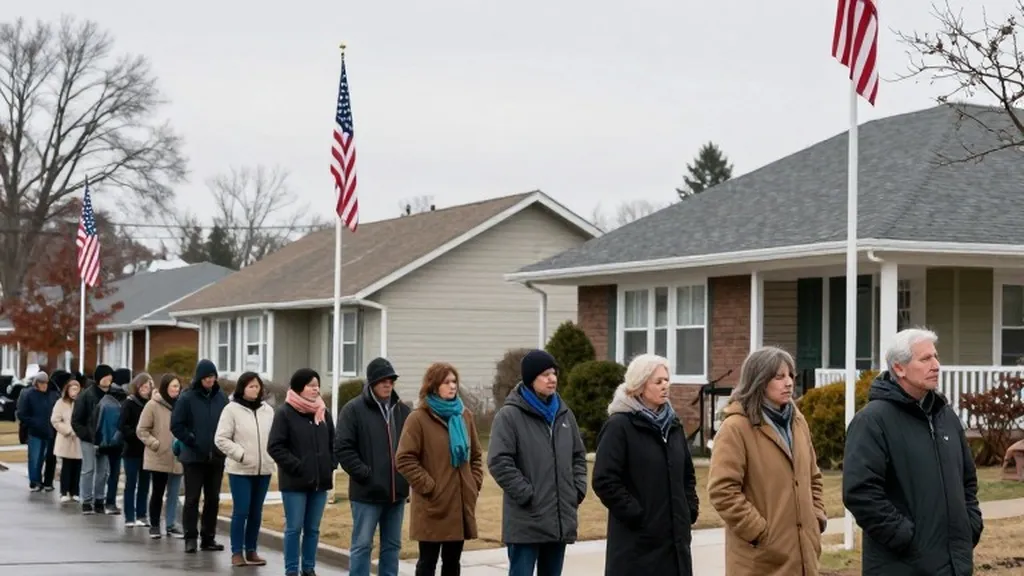
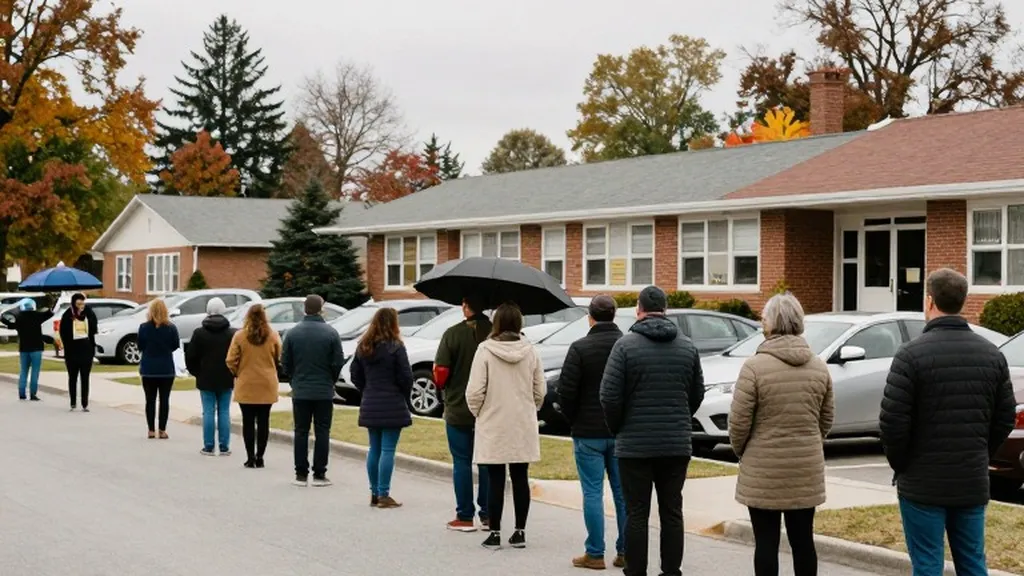
On this Election Day, Tuesday, November 3, 2026, voters across the United States are casting ballots in a midterm election that serves as a referendum on President Donald Trump's second term. The Associated Press describes the mood as one where citizens are struggling with high prices and expressing anger over an unpopular war with Iran. This conflict has become a defining issue in a race that determines which party controls Congress for the president's final two years.
The stakes are high for both parties. Republicans currently hold a majority in the Senate and a narrow lead in the House, but they are bracing for potential losses. Democrats, described as cautiously optimistic, are fighting for a net gain of four Senate seats and three House districts to achieve majorities. If Democrats win even one chamber, investigations and possible impeachment proceedings are likely to become a central feature of the government's next phase.
Economic strain and the cost of the war are driving voter sentiment. AP-NORC polling indicates that only 35 percent of U.S. Adults approve of Trump's job performance, while 25 percent approve of his handling of the economy. About seven in ten adults say the country is heading in the wrong direction, with most blaming the president for high prices. This frustration is evident in the quotes from voters on the ground, such as James Moore, a librarian in Raleigh, North Carolina, who stated, "I'm paying more taxes. I'm paying more for my healthcare. I'm paying more for everything."
In contrast, supporters of the administration point to the strength of the president's leadership. Mark Barker, a voter in Palm Beach Gardens, Florida, said, "I've just been following Trump the whole time. I really think he's doing an awesome job." RNC Chairman Joe Gruters emphasized the importance of turnout, noting, "Everything depends on turnout. If we turn out our voters, we win, and that's what we've been planning for." This focus on mobilization is critical as Republicans attempt to beat the historical midterm pattern where a president's party typically loses seats.
The war with Iran has added a layer of complexity to the campaign. While not explicitly detailed as a standalone policy platform for every candidate, voters are angry over the conflict. This sentiment is particularly felt in battleground states where the economic impact of the war intersects with domestic cost-of-living concerns. In Maine, for example, economic strain and tariffs have made the state competitive, with the AP highlighting how these factors are influencing the race between Senator Susan Collins and former state Senate President Troy Jackson.
Republican candidates have largely kept their distance from the president in some areas, though Trump has remained active. He held dozens of rallies, ending his schedule on Sunday in Salina, Kansas, where he told supporters, "I really want you to pretend I'm on the ballot." His administration has also been involved in legal battles over election administration, filing lawsuits in Alaska and California regarding the certification of results and the handling of noncitizen voting. Critics argue these moves risk disenfranchising eligible voters, while the administration maintains they are necessary to prevent fraud.
Money is playing a significant role in this election, which is likely to be the most expensive in history. Republican committees have outraised and outspent Democratic committees at the committee level, aided by Trump-affiliated groups and Elon Musk. However, at the candidate level, Democrats have outraised their opponents. 88.1 percent of Republican general election TV ad spending has gone to states and districts that Trump won in 2024, including more than $850 million in areas where he won by 10 points or more.
The Senate race is particularly tight, with 13 battlegrounds identified by Ballotpedia. Key matchups include North Carolina, where former Governor Roy Cooper faces Michael Whatley, and Georgia, where Senator Jon Ossoff contests against Representative Mike Collins. In Ohio, former Senator Sherrod Brown runs against Senator Jon Husted. These races are seen as potential tipping points for Senate control, with Democrats needing a net gain of four seats to take the majority. The outcome in these states will shape the legislative agenda for the next two years.
Governor races are also crucial, with 36 governorships on the ballot. Democrats are defending five governorships in states Trump won in 2024, including Arizona, Kansas, Michigan, Pennsylvania, and Wisconsin. Republicans are defending two in states Harris won: New Hampshire and Vermont. In Ohio, Vivek Ramaswamy faces Amy Acton, a race that has drawn attention due to campaign ads and local dynamics. The AP calls Texas, Florida, and Iowa competitive governor races, and a Democratic majority in governorships would be the first in two decades.
As polls open across the country, the administration of the election remains a point of contention. A federal judge temporarily barred the Trump administration from carrying out a plan to prevent noncitizen voting, while another judge ordered the administration to stop demanding that California election officials segregate ballots cast by people on lists of suspected noncitizens. The U.S. Postal Service has added hours and staff to ensure mail ballots are counted on time. With more than 57 million people having already voted, surpassing early vote totals from four years ago in many states, the final tally will depend on turnout in key districts.
The result of this election will have implications beyond just who controls Congress. Wall Street is watching closely, as Reuters notes that results could add to investor concerns about AI spending and debt ceiling negotiations. The political landscape is set to shift significantly, with potential impacts on the 2028 presidential race for figures like Gavin Newsom, JB Pritzker, and Pete Buttigieg. As voters head to the polls, the combination of the Iran war, economic costs, and the desire for change or continuity will determine the direction of the nation's government for the next two years.