Midterm Results: Republican Party Loses Control of Congress
Democrats seized the House and Senate while Republicans ceded governorships in red states, triggering an immediate internal fight over the path to 2028.
By Rosa Wojcik ·
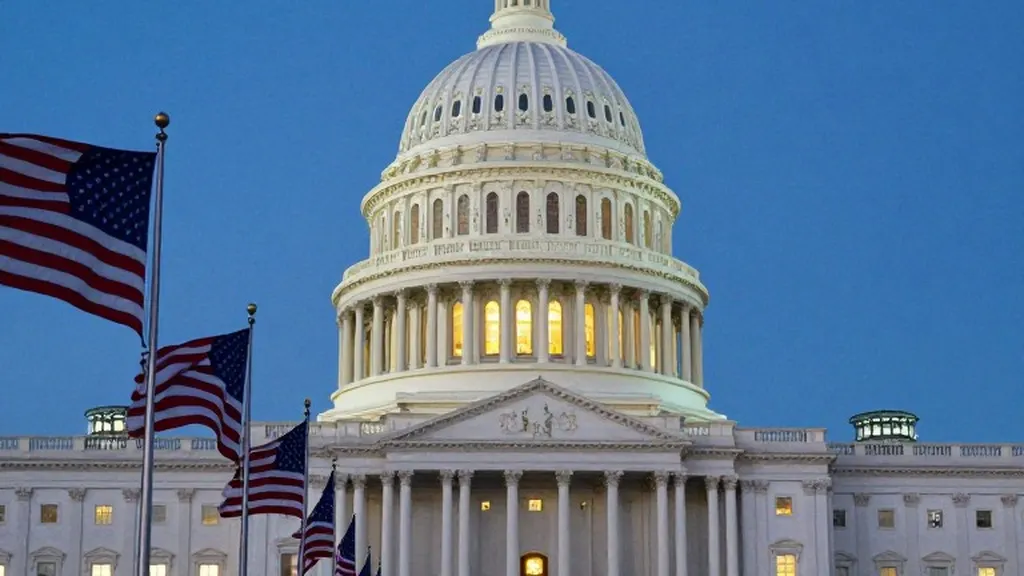
The 2026 midterm elections ended Republican control of both chambers of Congress and shifted power in statehouses across the country. Democrats gained seats in the House and Senate, breaking a decade of Republican dominance. The party also lost governorships and state legislative majorities in traditionally red states like Texas and Kansas, where Democratic candidates had been shut out of power for decades. Donald Trump won those same states by double-digit margins in his previous campaigns.
Outgoing Florida Governor Ron DeSantis called the defeat "close to an extinction-level event for Republicans." Vice President JD Vance offered a less dire assessment, attributing the losses to public anger over the war with Iran. He acknowledged that the party would face internal conflict. "There will be a lot of infighting and arguing over what happened and why," Vance said.
Strategists are now debating whether the party should center on Trump or broaden its appeal. Rina Shah, a Republican strategist, told the BBC that the party must decide if it will remain focused on one figure or embrace a wider set of conservative ideas. The moderate wing of the party has largely disappeared. This year, veteran senators John Cornyn of Texas and Susan Collins of Maine, both of whom clashed with Trump, were voted out of office.
Trump moved quickly to signal his continued influence. Three days after the election, he appointed Stephen Miller as White House chief of staff, replacing Susie Wiles. Miller is the architect of the administration's hardline immigration agenda. Steve Bannon, a key figure in the movement, predicted a "civil war" within the party. He blamed the loss on the economy and foreign wars, urging Trump to continue with mass deportations.
Voter data shows a sharp shift away from the Republican Party. A New York Times analysis found that Latino support for Democratic candidates rose 29 percentage points between 2024 and 2026. Support among voters aged 18 to 29 climbed 33 points in the same period. Polls indicated broad disapproval of Trump's handling of the economy, immigration, and the Iran war. Democrats also capitalized on perceptions of self-dealing and corruption, with the president's focus on the White House ballroom project fueling criticism that he prioritized legacy over affordability.
The path to the 2028 presidential nomination is now open. Vance is no longer considered the favorite. Other potential candidates include Secretary of State Marco Rubio, Senator Ted Cruz, Ron DeSantis, Nikki Haley, and Chris Christie. These contenders will face pressure to declare their intentions within months. They must navigate difficult policy choices on Israel, tariffs, and the AI economy while weighing the impact of Trump's potential endorsement.
Benjamin Shrader, leader of the Young Republicans in Austin, noted that Trump remains a "force of nature" despite the losses in Texas. He criticized the president for showcasing the ballroom project in his first public appearance after the results. "I would focus on issues that are not ballrooms, that are not renaming things. I would focus on what matters," Shrader said.
More Politics · World news · Report a business · Got a Story?