Your Practical Guide to Voting Today: Poll Hours, ID Rules, and Mail Ballots
As voters head to the polls for the 2026 midterms, a clear breakdown of local hours, identification requirements, and postal logistics is essential for every citizen.
By Ethan Cook ·
Election Day has arrived for the 2026 midterm elections, a critical moment that will determine the balance of power in Congress for the remainder of President Donald Trump's second term. All 435 seats in the U.S. House of Representatives are up for grabs, along with 35 Senate seats and 36 governorships. The Associated Press describes this vote as a referendum on the current administration, with many voters expressing frustration over high prices and an unpopular war with Iran. While no results are in yet, the stakes are high, with Democrats needing specific net gains to secure majorities in both chambers.
For those voting in person, it is crucial to know the specific hours for your state, as they vary significantly. Polling hours range from 6 a.m. To 8 p.m. In many states like California and Connecticut, but can be as short as 6 a.m. To 6 p.m. In Indiana and Kentucky. In New York, polls remain open until 9 p.m., while in Vermont, opening times can be as early as 5 a.m. It is vital to check your local schedule because a federal judge recently issued orders affecting how some states manage their election processes, potentially impacting how ballots are handled on this day.
One of the most common questions for voters is what form of identification they need to bring. Ballotpedia notes that ID rules vary by state, and voters should verify their specific requirements before heading to the polls. Some states require a photo ID, while others accept various documents such as a utility bill or a bank statement. To avoid any confusion at the polling place, voters are advised to check their state’s election office website or use the federal resource at vote.gov, which provides detailed information on acceptable identification and polling locations.
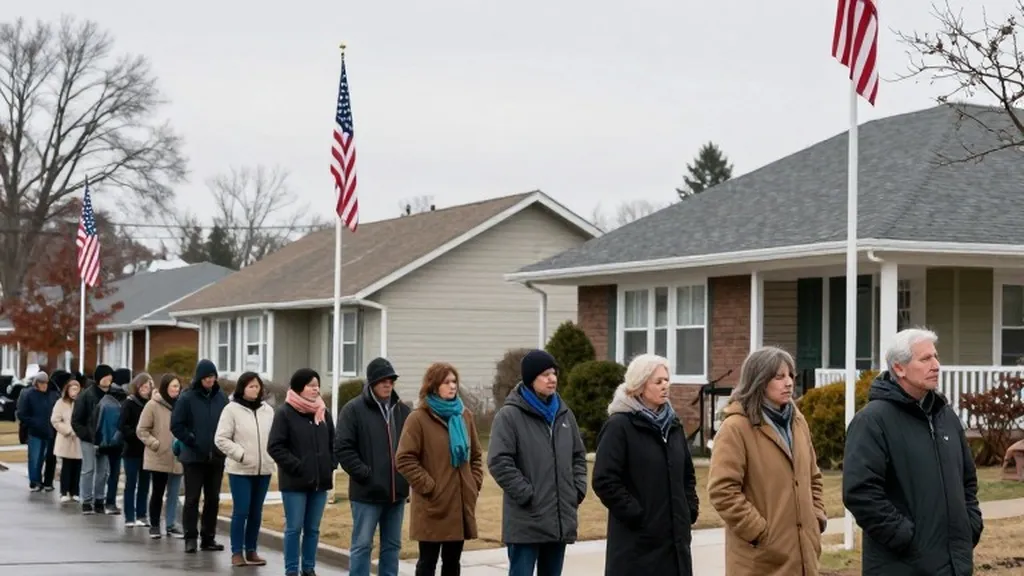
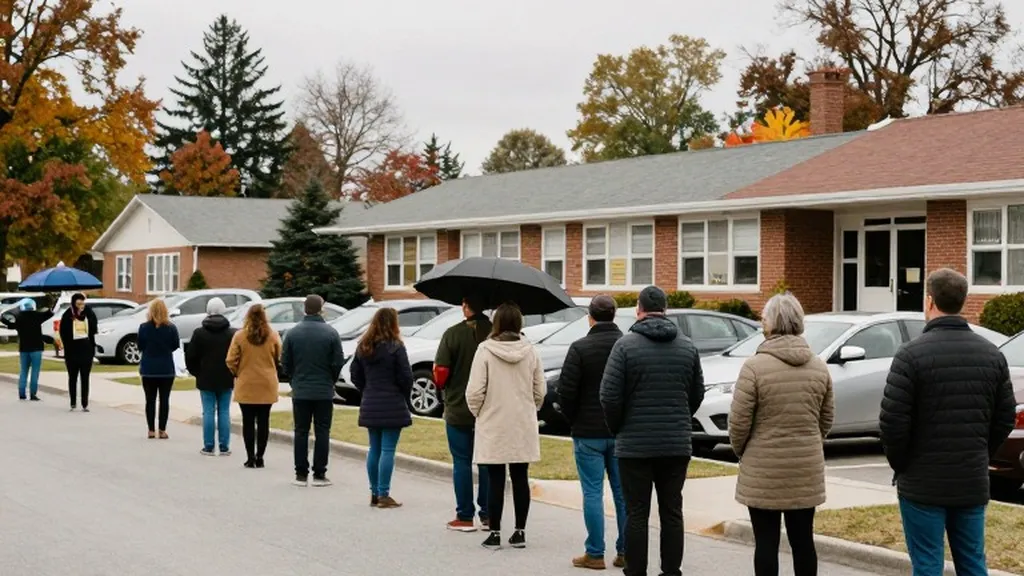
Staying in line is a protected right for every voter. According to election guidelines, anyone who is in line when the polls officially close is entitled to cast their ballot. This rule applies regardless of how long the wait is, ensuring that early arrivals are not penalized for the length of the queue. As voter turnout has been high, with more than 57 million people already having voted as of Monday, lines may form at popular polling places. Voters should plan accordingly, perhaps arriving earlier in the day to ensure they are in line before the closing time in their specific jurisdiction.
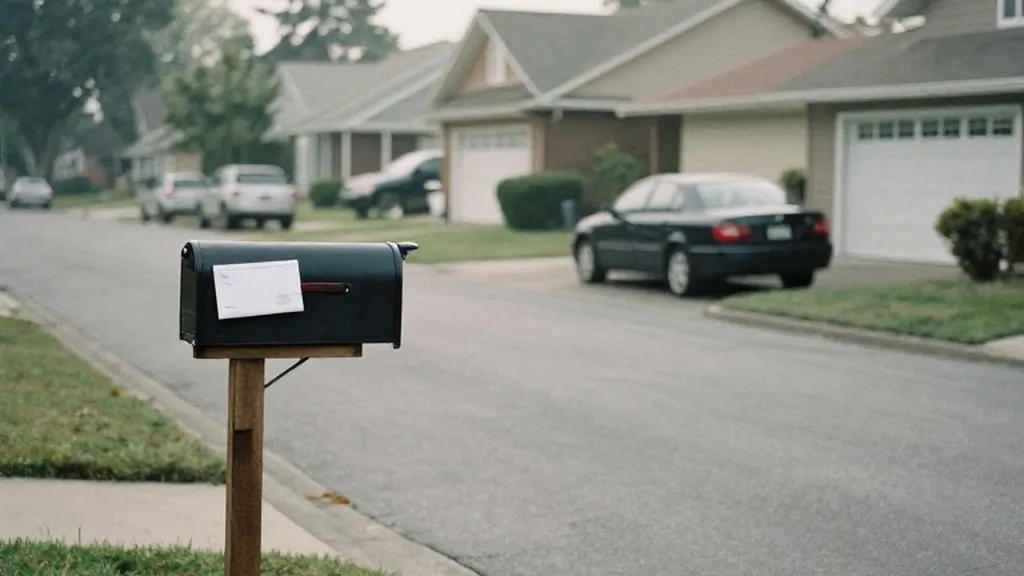
Mail-in voting continues to play a significant role in several states, including California, Colorado, Hawaii, Oregon, Utah, Vermont, and Washington. In these areas, the majority of voters cast their ballots by mail. The U.S. Postal Service has added extra hours, staff, and special lines to ensure that these mail ballots are processed and counted on time. This logistical effort is critical because mail ballots must be received by a certain deadline to be included in the final tally. Voters in these states should track their ballots to ensure they are on their way to the correct processing center.
The administration of this election has been marked by some legal activity. A federal judge temporarily barred the Trump administration from executing a plan to prevent noncitizen voting, a move that critics argued could disenfranchise eligible voters. Additionally, a judge ordered the administration to stop demanding that California election officials segregate ballots cast by people on lists of suspected noncitizens. These legal developments add a layer of complexity to the voting process, but the fundamental right to vote remains intact for eligible citizens in every state.
Voters can find their specific polling place by visiting vote.gov or contacting their state election office. This website provides a user-friendly interface to look up local information, including hours and ID requirements. It is a reliable source for the most up-to-date details, especially in light of the recent legal changes. For those who are unsure about their status or the process, this tool serves as a primary resource for ensuring a smooth voting experience.
The mood among voters is a mix of determination and concern. The Associated Press notes that while Republicans were bracing to lose the House, they are fighting to hold the Senate. Democrats are described as cautiously optimistic, hoping to gain control of at least one chamber. This shift in control would likely lead to increased oversight and investigations. The election is not just about the present but also sets the stage for future leadership, with potential 2028 candidates watching the results closely to gauge their own political prospects.
In terms of financial investment, the 2026 elections are likely to be the most expensive in history. Republican committees have outspent their Democratic counterparts, largely due to the influence of Trump-affiliated groups and major donors. However, at the candidate level, Democrats have outraised their opponents. This financial battle has translated into a high volume of television advertising, with a significant portion of Republican spending focused on states and districts that President Trump won in 2024. The intensity of the advertising campaign reflects the high stakes of this particular midterm election.
As the day progresses, voters will be making their choices in a wide array of races. From the Senate battlegrounds in states like Georgia, Ohio, and Michigan, to the governor races in Arizona and Nevada, the decisions made today will shape the political landscape for the next several years. The Postal Service is working around the clock to process mail ballots, and polling places are busy with citizens exercising their civic duty. Whether voting by mail or in person, the goal is the same: to have a voice in the direction of the country.