Midterm Vote Tests Trump's Grip
Voters decide control of Congress and several governorships on Tuesday amid high turnout and federal election monitoring.
By Rosa Wojcik ·

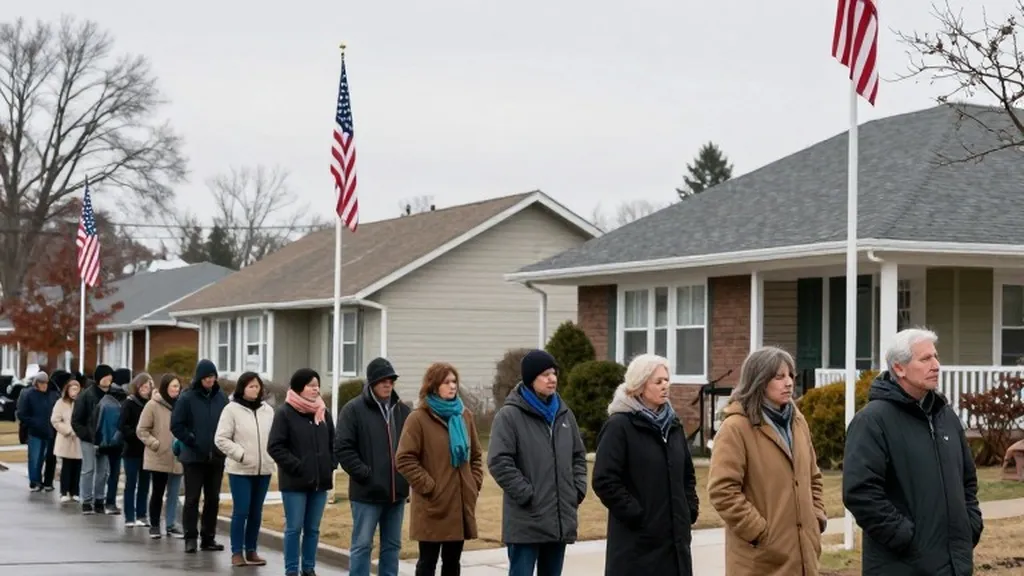
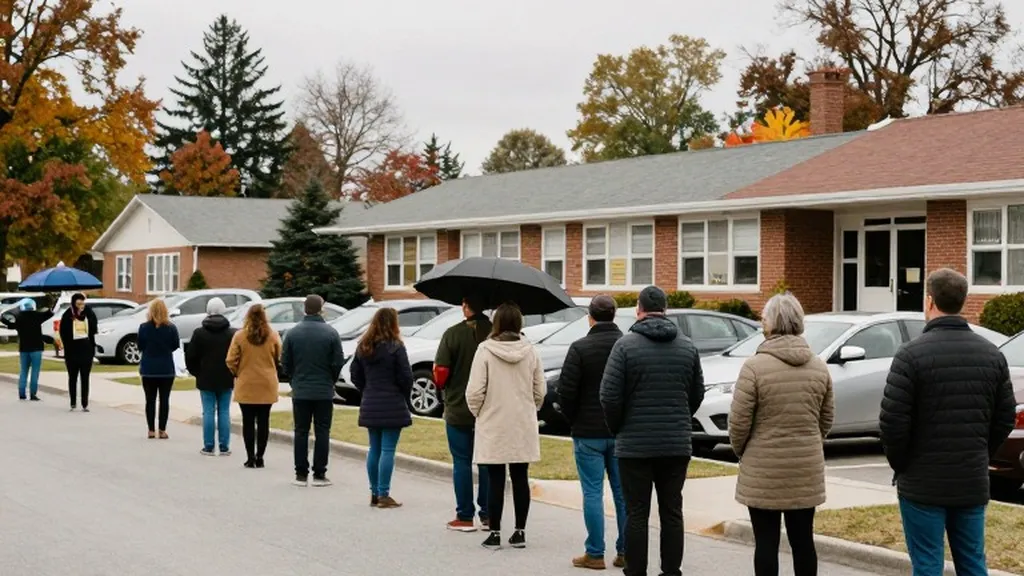
Americans cast ballots on Tuesday, November 3, in midterm elections that will determine the balance of power in the U.S. Congress. The outcome will define the remainder of President Donald Trump's term. More than 50 million citizens have already voted early, with a heavy volume of ballots expected to be cast on election day.
The race for the House of Representatives centers on a narrow margin. Republicans held a 220-215 advantage at the start of the current congressional session. Democrats target over 60 districts to flip control. Many of these seats include areas where Trump won by double digits in previous presidential cycles.
In the Senate, Republicans maintain a 53-47 majority. Democrats must win four seats to take control. Key battlegrounds include Ohio, Iowa, Kansas, Texas, and Alaska. Winning these states requires defeating Trump-aligned candidates in regions where the president previously secured victory.
Government watchers monitor the voting process closely. The Department of Justice will deploy approximately 1,000 employees to observe polls. Nonpartisan groups and Democratic organizations have trained tens of thousands of volunteers to supervise voting centers. This effort aims to address concerns about federal interference in the election process.
Recent legal actions have heightened tensions. The Justice Department sought to block the certification of the Alaska Senate race if Republican Dan Sullivan loses. A judge rejected that motion. Trump described the situation as high-level election fraud. Officials also attempted to stop California from counting 20,000 ballots from individuals identified as likely non-citizens. That effort failed.
Redistricting plays a major role in the current cycle. Texas redrew its maps under pressure from Trump's administration. California followed suit after Governor Gavin Newsom urged voters to do the same. The Supreme Court's weakening of the Voting Rights Act allowed several southern states to redraw districts with large Black populations. Paper calculations suggest a net gain of nine seats for Republicans. However, the strategy relied on support from Latino and other non-white voters who backed Trump in 2024.
Governor races offer potential historic firsts. Maryland Governor Wes Moore seeks reelection. He is currently the only Black governor in the country. Seven other major-party Black candidates run for governor in various states. Keisha Lance Bottoms of Georgia and Lisa Demuth of Minnesota are Black women candidates. John James of Michigan and Byron Donalds of Florida are Black male Republican candidates. Gina Hinojosa of Texas would become the state's first Latino governor. Deb Haaland of New Mexico would be the first Native American woman governor if elected.
Voter motivation appears higher among Democrats than Republicans. Polls reflect low approval ratings for the president. Concerns over the war with Iran, rising gasoline prices, and the cost of life factor into voter decisions. Historical trends show that the party holding the White House typically loses seats in midterms. Trump's base of white working-class voters supported his 2016 and 2024 victories. Whether that bloc will protect Republican candidates remains the central question of the day.